A documentary about the legendary choreographer premiered at the Razhden Gumba Abkhaz State Philharmonic.
Alisa Khutaba
This is the story of the legendary dancer and choreographer, People's Artist of the RSFSR Georgy Dzyba, a man who inspired generations of artists. The film was created as part of the "Amazara" project, dedicated to the intangible heritage of the Abkhaz-Abaza people. It was implemented by the Ekzekov Foundation and the International Association for the Promotion of the Development of the Abaza-Abkhaz Ethnicity "Alashara."
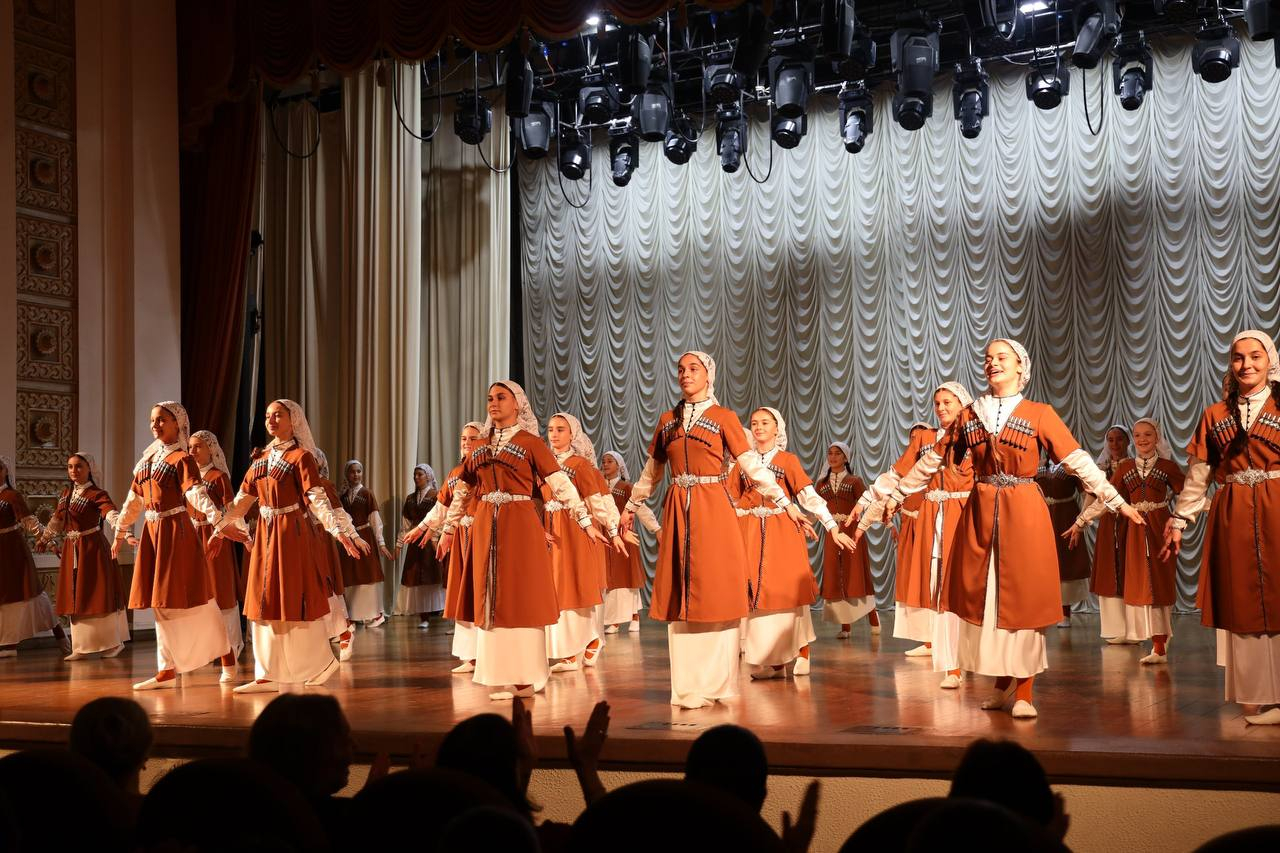
The film's mastermind is Mussa Ekzekov, the project's author is Natella Dzhemakulova, the videographer and editor is Dinislam Sheremetov, the screenwriter is Georgy Chekalov, the music is performed by Madina Muratkova and the title role is played by Honored Artist of the Karachay-Cherkess Republic, Rustam Karalov.
Their work has given viewers more than just a film, but a living story about a man whose dance continues to ignite hearts today. The film is based on interviews with Georgy Dzyba's colleagues and followers, rare archival footage, and dance scenes performed by contemporary artists. The film crew visited Abkhazia, Chechnya, Ossetia, Dagestan, and Kabardino-Balkaria to gather unique memories of the master.
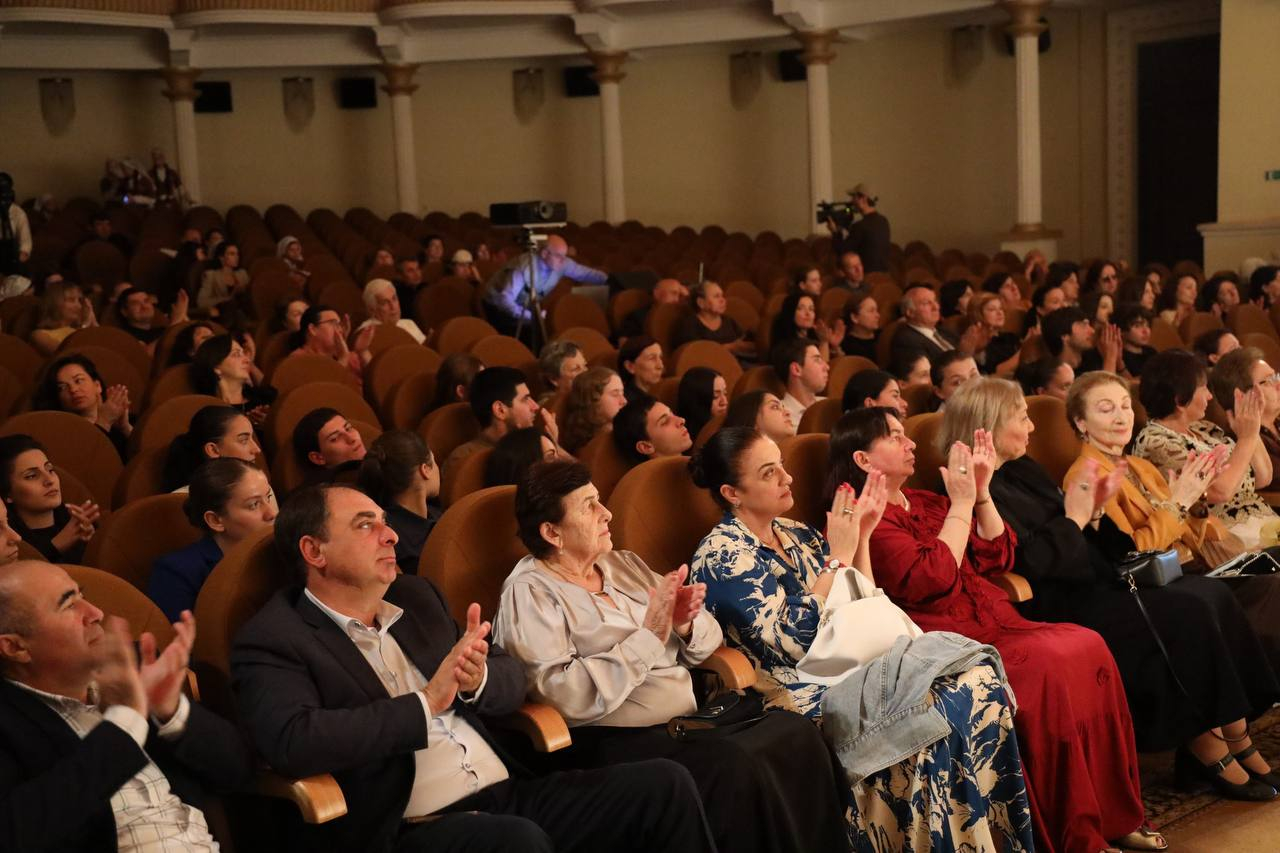
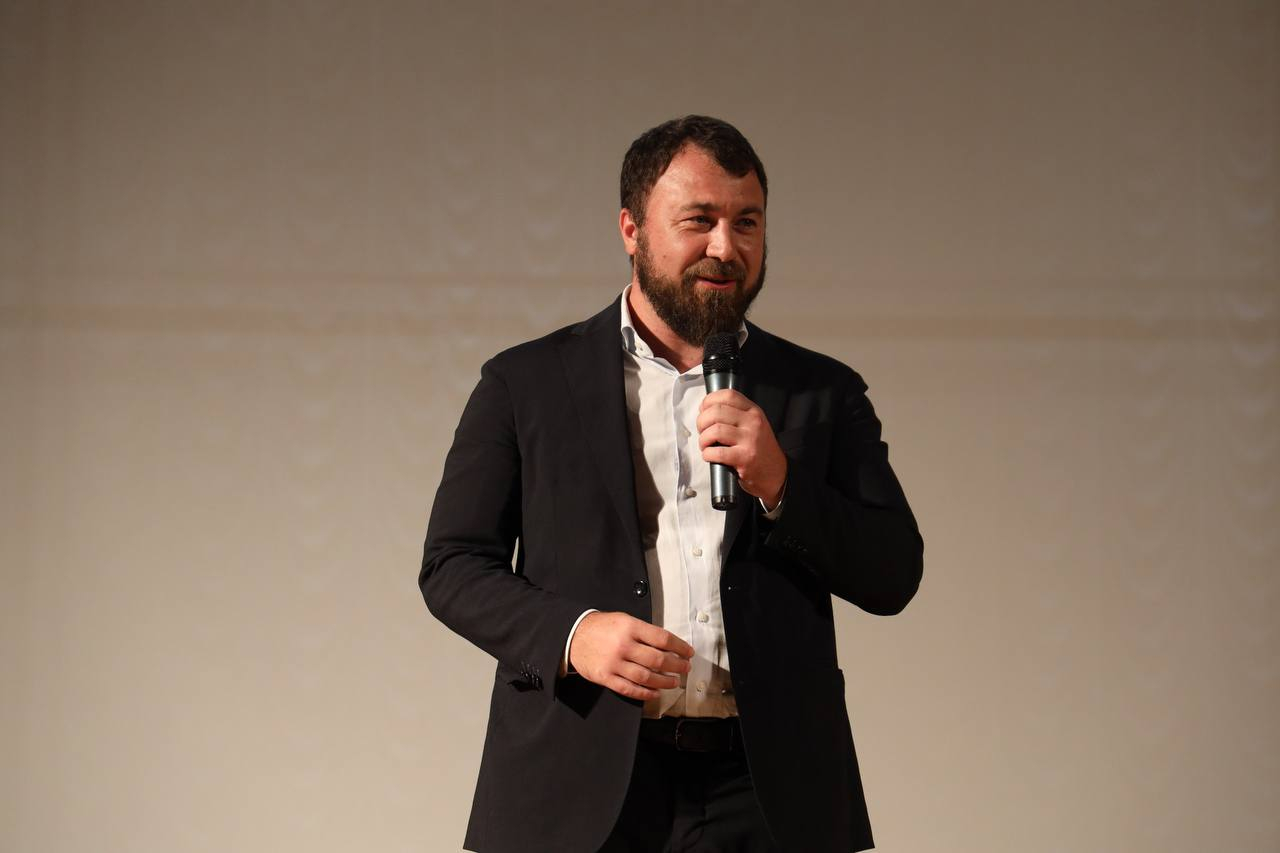
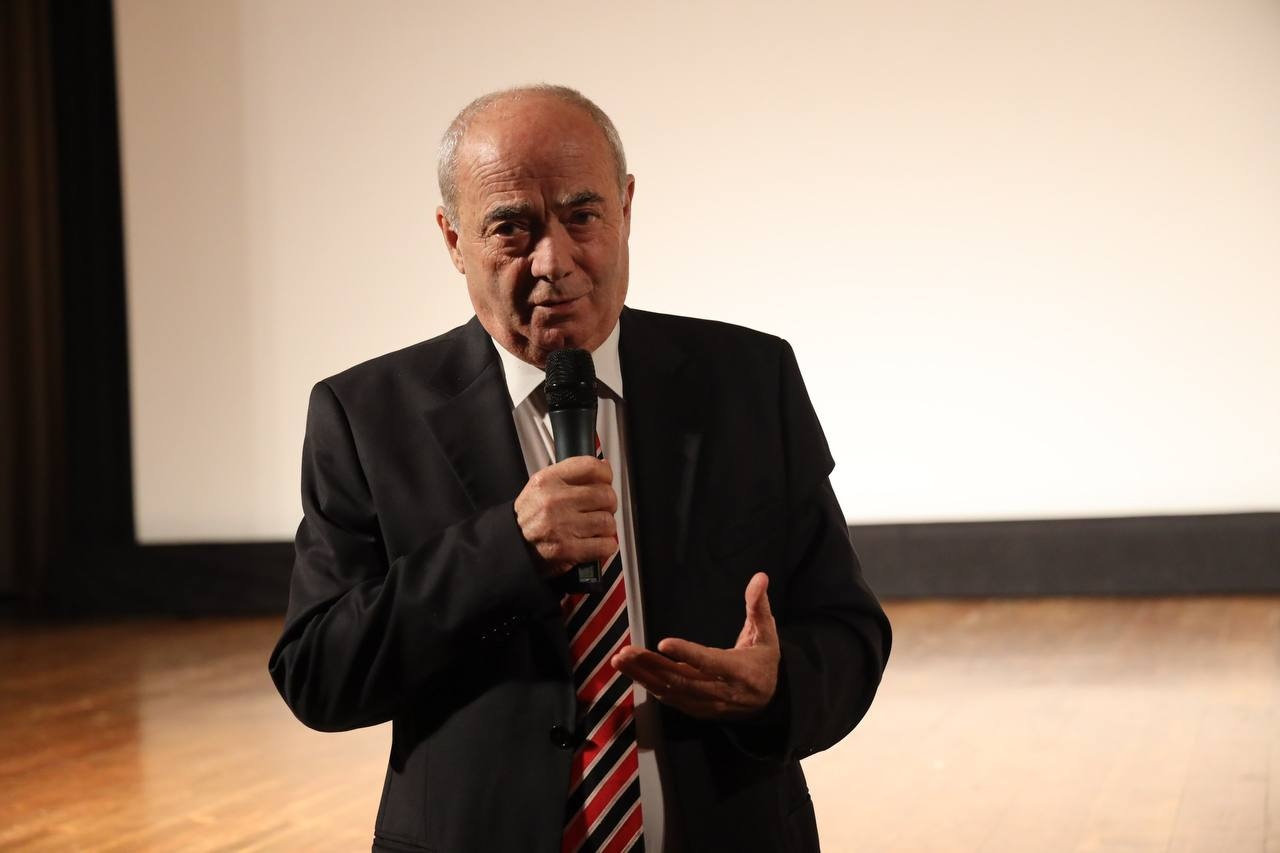
Temur Rekvava, head of the Sukhum office of the World Abaza Congress, delivered a welcoming speech on behalf of Mussa Ekzekov, Chairman of the World Abaza Congress. He welcomed the guests and expressed hope for a resonant response from the audience:
"Today we are presenting another film produced as part of the “Amazara” project. We have already presented films about national games, knife making, and the armor of an Abkhazian warrior. Today we organized a screening of a new documentary about the great dancer Georgiy Dzyba. What makes it unique is that it is the first biopic within this project. The film was first presented at the State Philharmonic of the Karachay-Cherkess Republic in July of this year. I hope that Abkhazian audiences will also warmly receive it," he said.
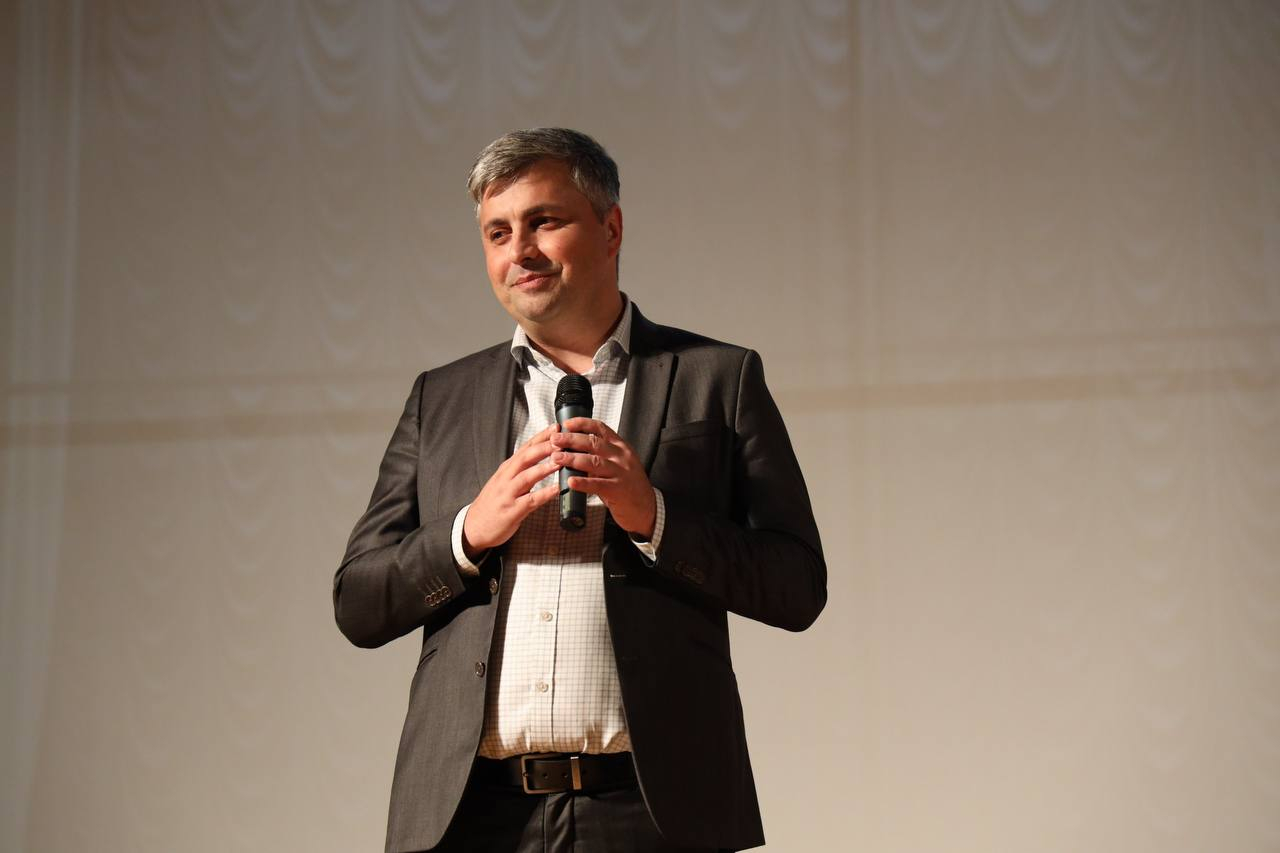
Addressing the guests from the stage, Murat Gedugov, head of the “Alashara” International Association, noted the value of such projects.

"The first and most important thing to say about the film's hero is that he was a legend of the Caucasus, and this legend is a representative of our Abaza ethnic group. Unfortunately, many of us, especially the younger generation, have heard little about Georgy Dzyba. We decided to change this situation with our film. This film is valuable because it will preserve the memory of this legendary figure and highlight his colossal contribution to the dance culture of the peoples of the Caucasus," noted Murat Gedugov, head of the international association "Alashara."
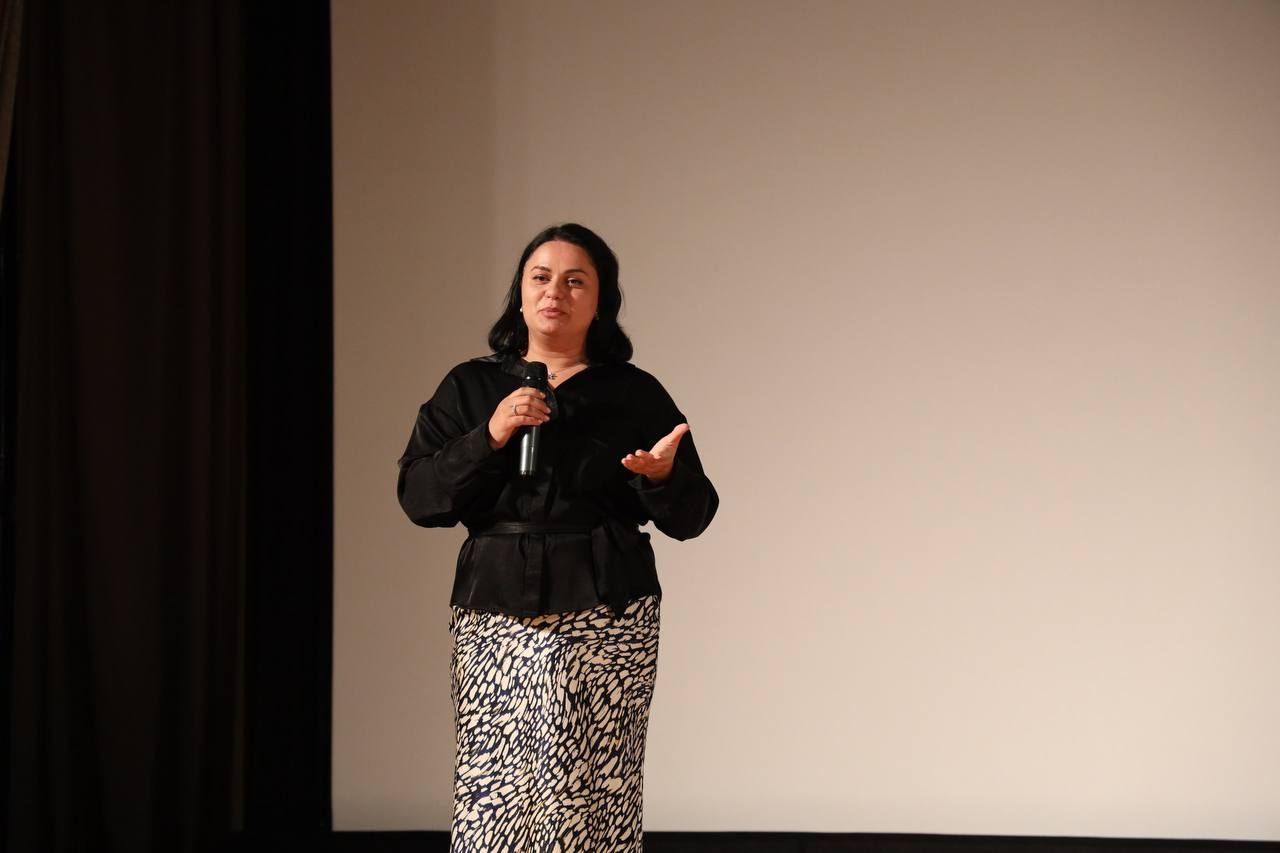
Project director Natella Dzhemakulova spoke about the idea for the film, which came many years ago, and how it was brought to life.
"Several years ago, I read an article on the WAC website that mentioned Georgy Dzyba. Since then, I've been haunted by the idea of making a film about this outstanding figure. Filming took place in the Karachay-Cherkess Republic, Abkhazia, Dagestan, Chechnya, Kabardino-Balkaria, and Ossetia." During the documentary's production, the film crew shot 22 interviews with members of the creative intelligentsia who knew the dancer personally. Dzyba's colleagues, friends, and family spoke at the presentation. The film was produced with financial support from the Ekzekov Foundation. "It's gratifying that such an outstanding figure as Georgy Dzyba has once again brought us all together. On behalf of our organization and its president, Mussa Ekzekov, I welcome everyone who came to share this celebration with us," said Dzhemakulova.
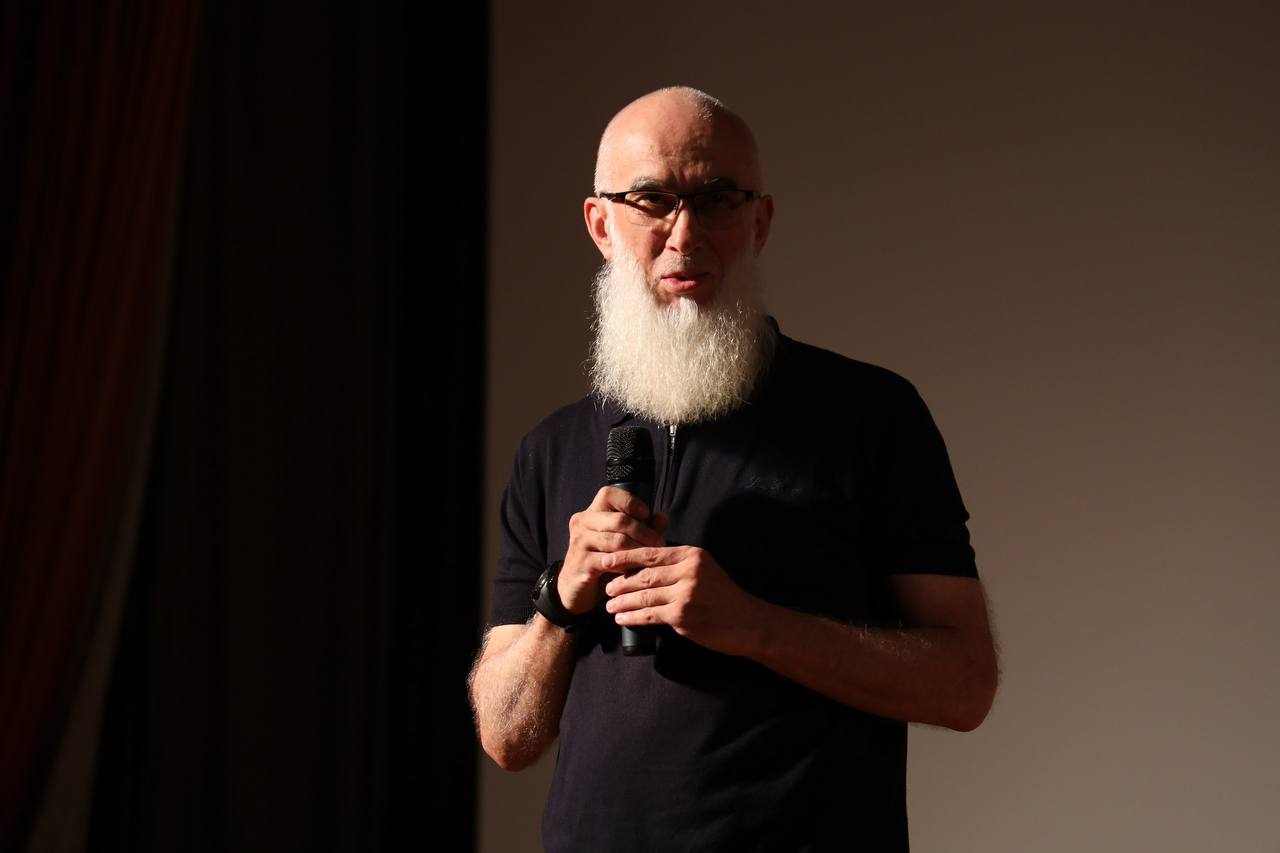
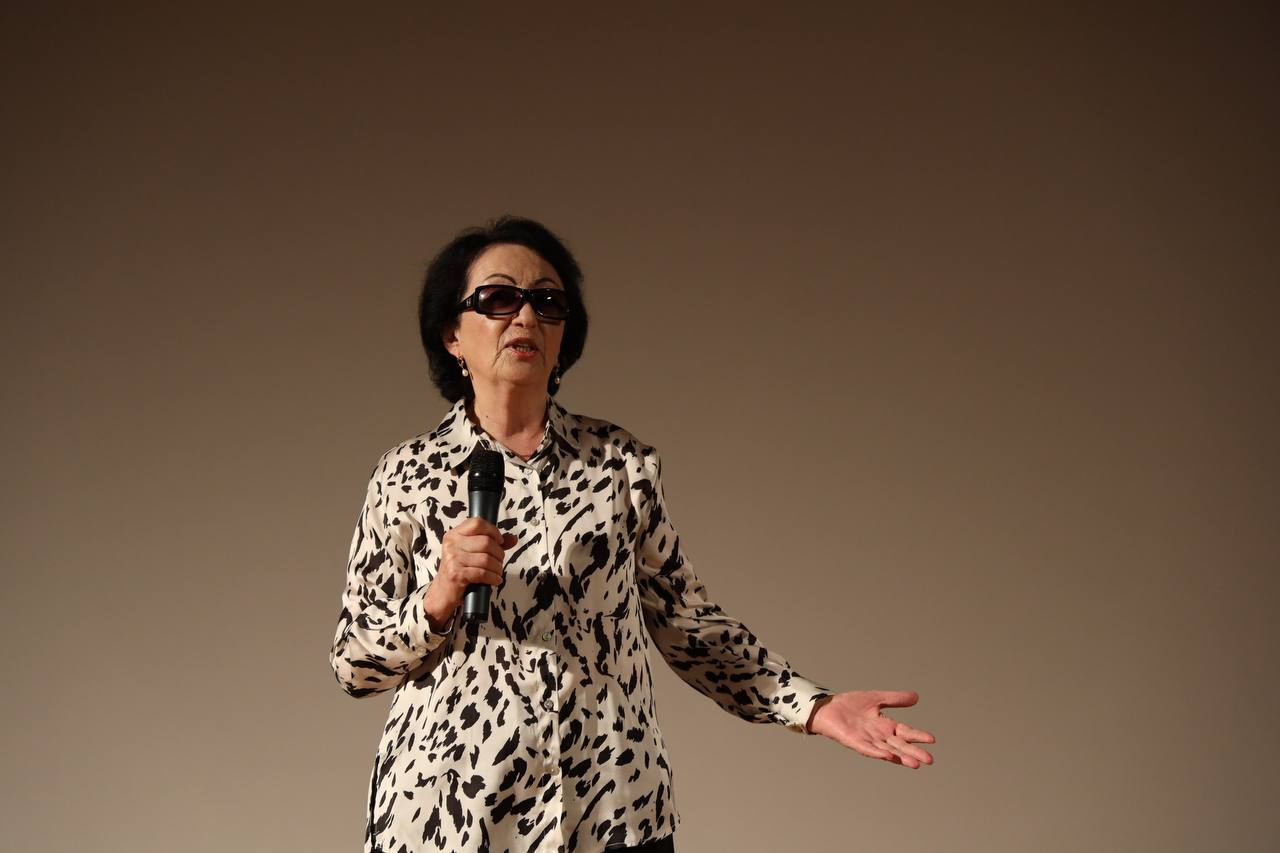
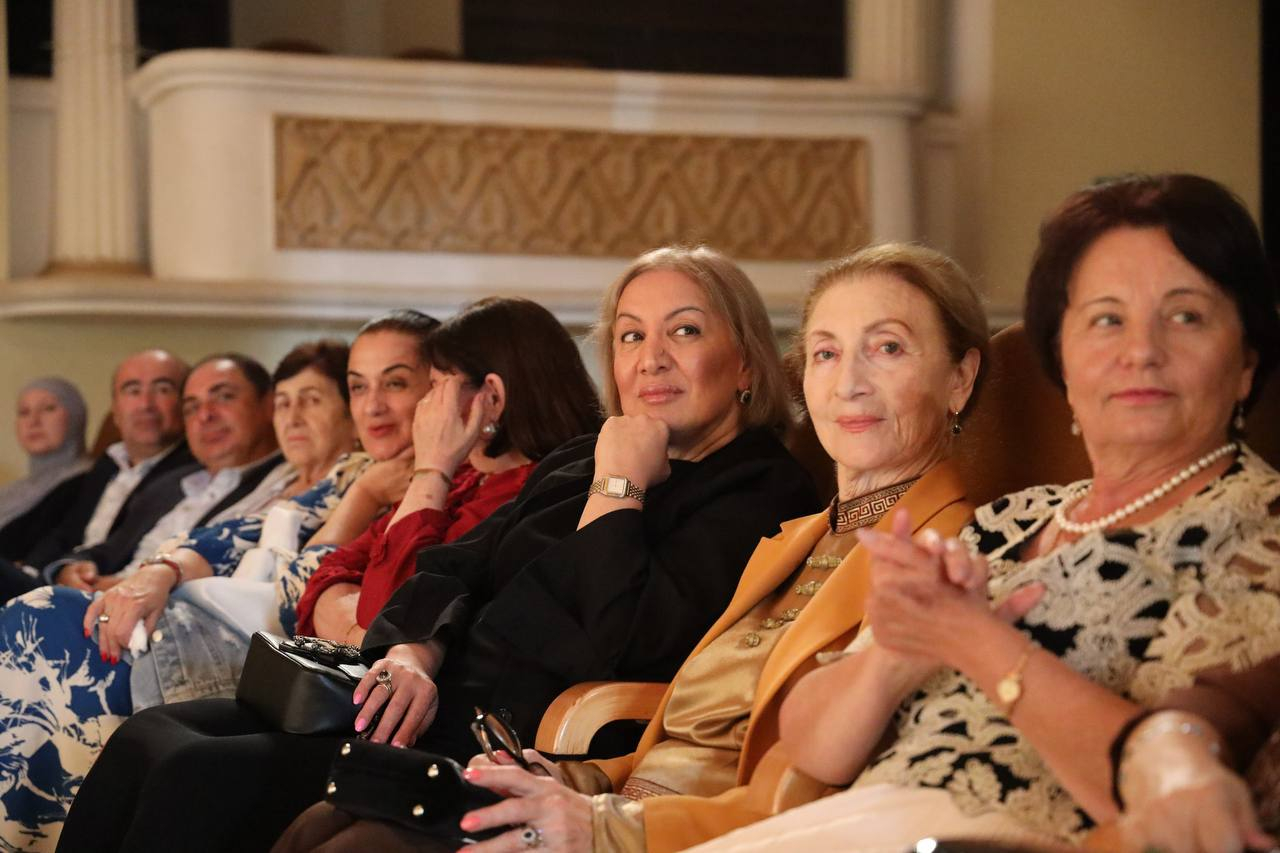
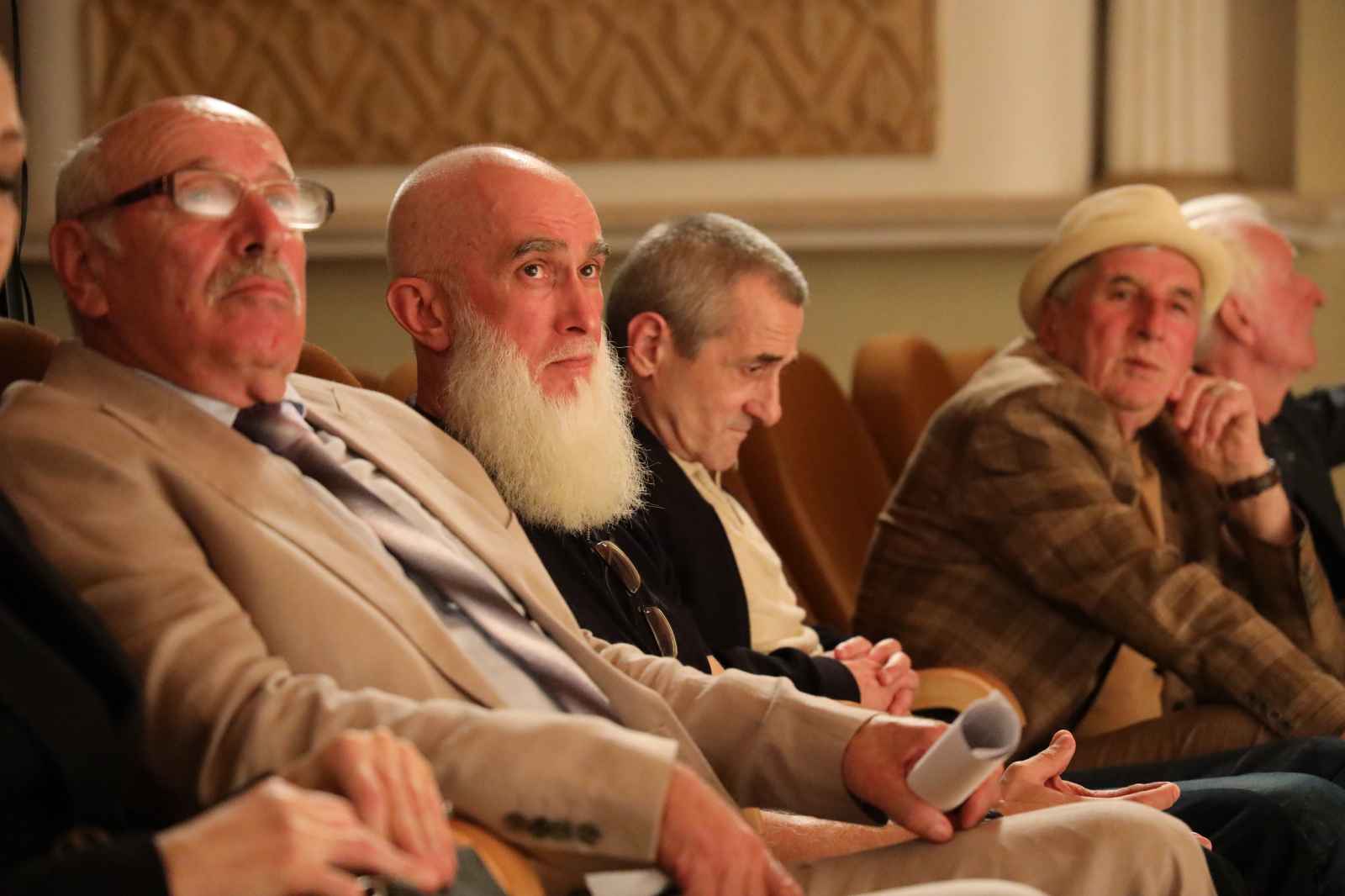
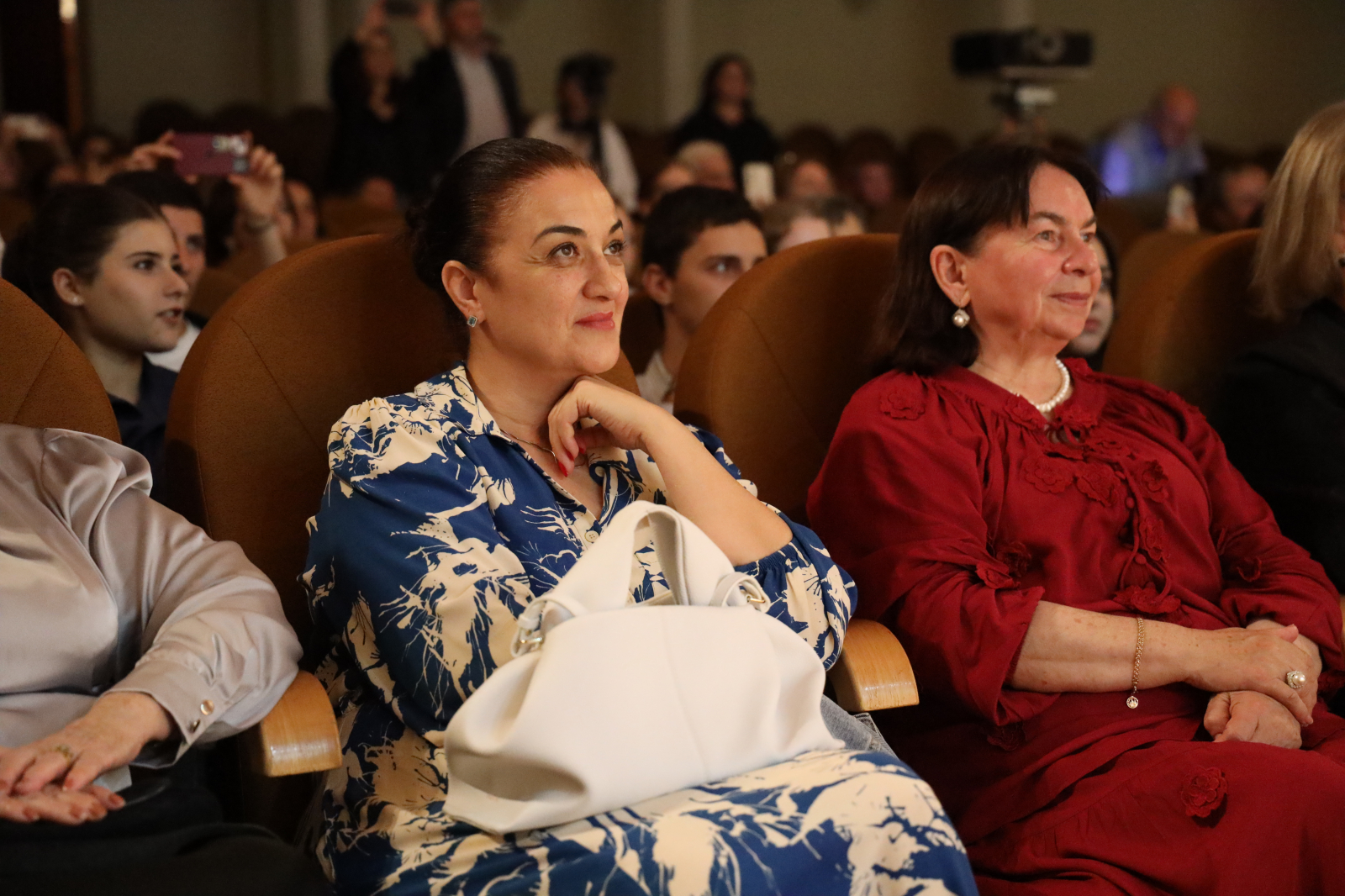
The premiere brought together the master's relatives, his colleagues, students, and people who had heard of his talent and passion for dance. The 45-minute film revealed the scale of Dzyba's personality. After the screening, viewers shared their impressions, emphasizing not only Dzyba's talent but also his charisma, energy, and dedication to art.
"He was a unique person and undoubtedly a great artist. There was no one like him in the Caucasus." For a long time before important performances, we encouraged each other with the words, "Dance like Dzyba!"," said People's Artist of Abkhazia Maya Gerzmava, sharing her memories.
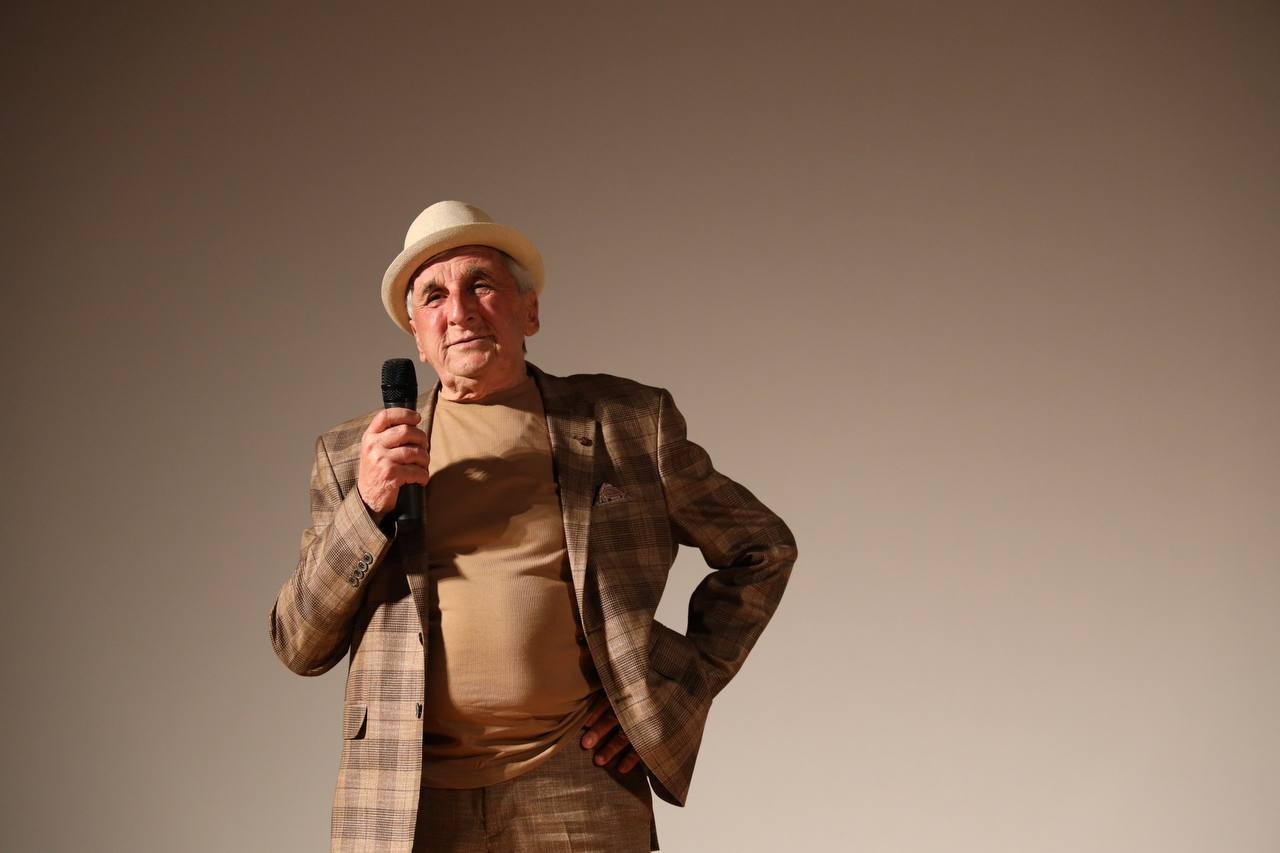
Historian and research fellow at the Abkhazian Institute of Geography (ABIGI), Ruslan Gozhba, expressed thanks from the stage for organizing the screening:
"We must know our heroes, remember them, honor them, and follow their example. A huge thank you to the filmmakers for their work, for the memories, for this evening!" he noted.
At the end of the evening, Natella Dzhemakulova also said:
"We want this film not only to preserve the memory of a great man but also to become a beacon for young people. May our young men, inspired by Dzyba's example, strive for greatness, becoming the pride of the Abaza people. Today we presented the film to Abkhazian audiences, and we plan to show it in other cities where we filmed in the next two months." After a series of presentations, it will be available on WAC’s and “Alashara’s” websites for free,” she said.