WAC and the ANO "Public Center for Social Initiatives" from Kamensk-Shakhtinsky, Rostov Region, have summarized the results of a large-scale joint project implemented with the support of the Russian Presidential Grants Fund.
Selma Bazba
The Congress team's extensive collaboration with the ANO "Public Center for Social Initiatives" has come to an end. The framework for this cooperation was the World Abaza Congress project on social design, which the organization has been developing for three years. The program includes a system of training sessions aimed at acquiring knowledge and actively applying it in practice. As part of the new partnership, the project was expanded to include the improvement of public spaces in four rural schools in Abkhazia.
From Concept to Delivery
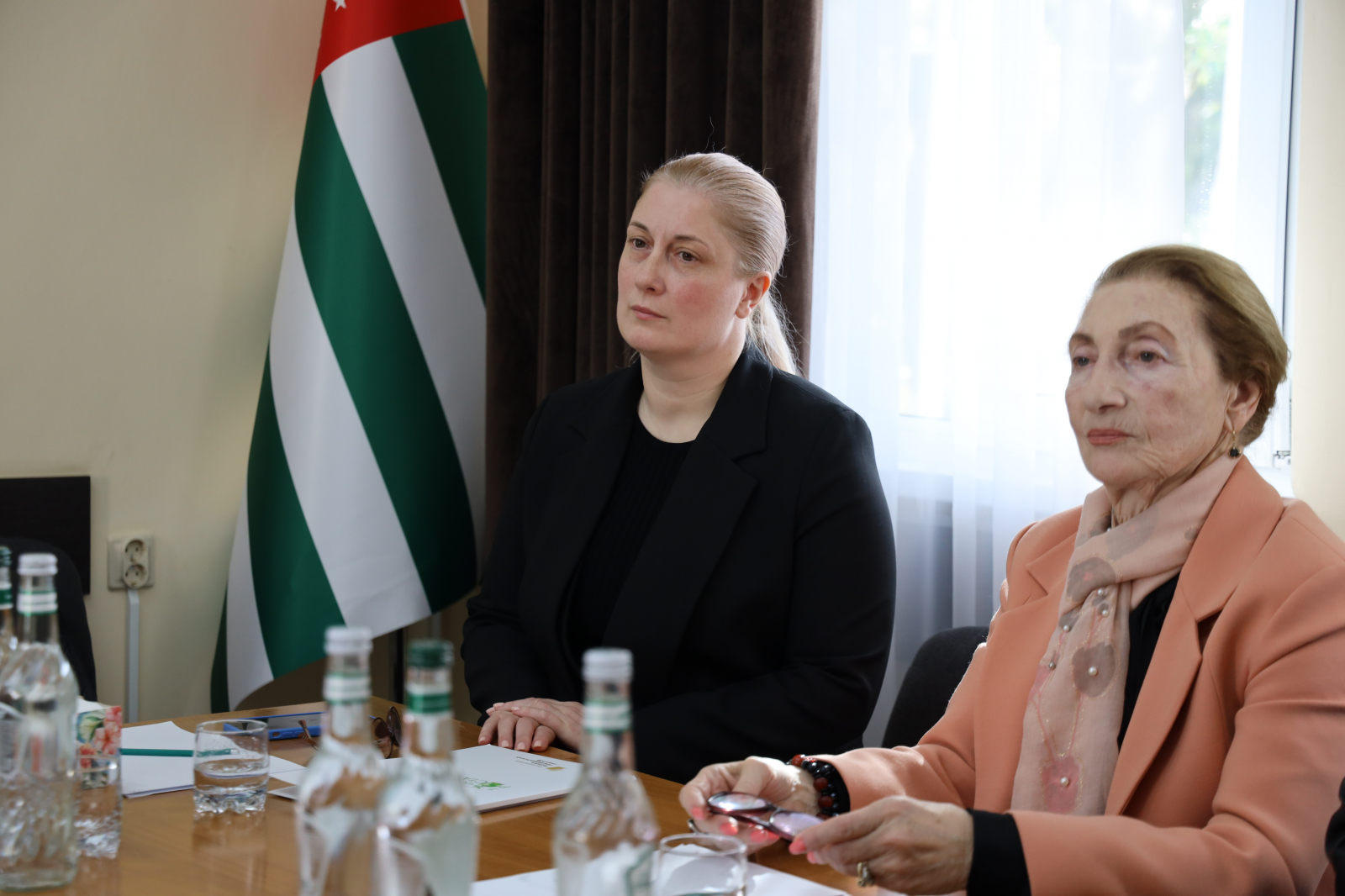
The partnership between the organizations began with an introduction at the Public Chamber of the Republic of Abkhazia.
"Svetlana Moiseyeva, president of the ANO "Public Center for Social Initiatives," approached the Public Chamber with the initiative to get acquainted with Abkhazian NCO and the social projects they implement, in order to jointly prepare an application for a special competition of the Presidential Grants Fund of the Russian Federation. It was at this venue that our organizations met. "Having received the fund's financial support, we have begun implementing the project," said Izolda Khagba, head of the WAC Department for Social Development, Education and Healthcare.
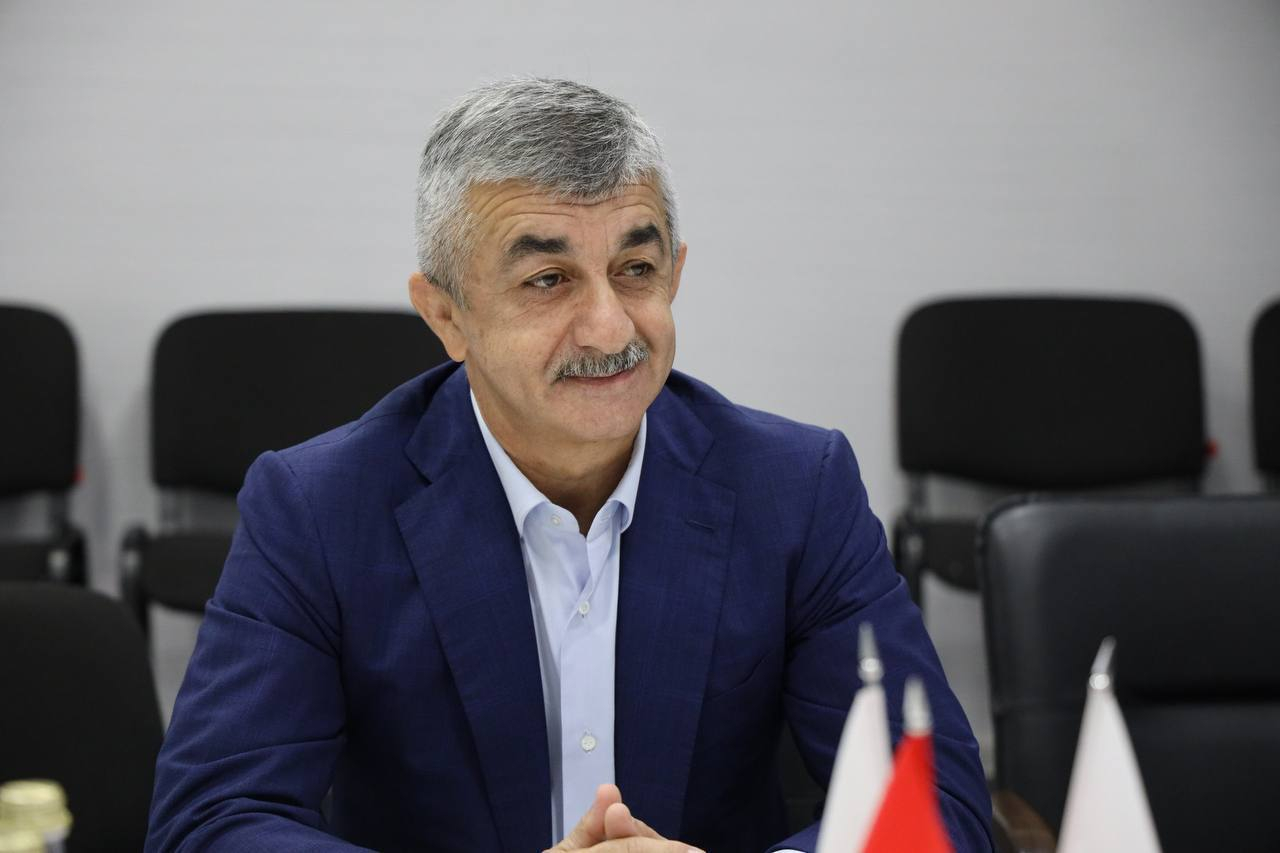
The idea of joint work was actively supported by Mussa Ekzekov, Chairman of the WAC Supreme Council.
"The support of the Russian Presidential Grants Fund for our project to develop youth initiatives in Abkhazian villages is the evidence of success of the entire Congress team. It demonstrates that our working method is producing results and can serve as the basis for significant positive changes in the life of Abkhazia. Equally important is that this joint project with the Russian organization has enabled us to establish a close partnership between civil society activists in Russia and Abkhazia and opened up new avenues of cooperation between the two fraternal countries," Ekzekov noted.
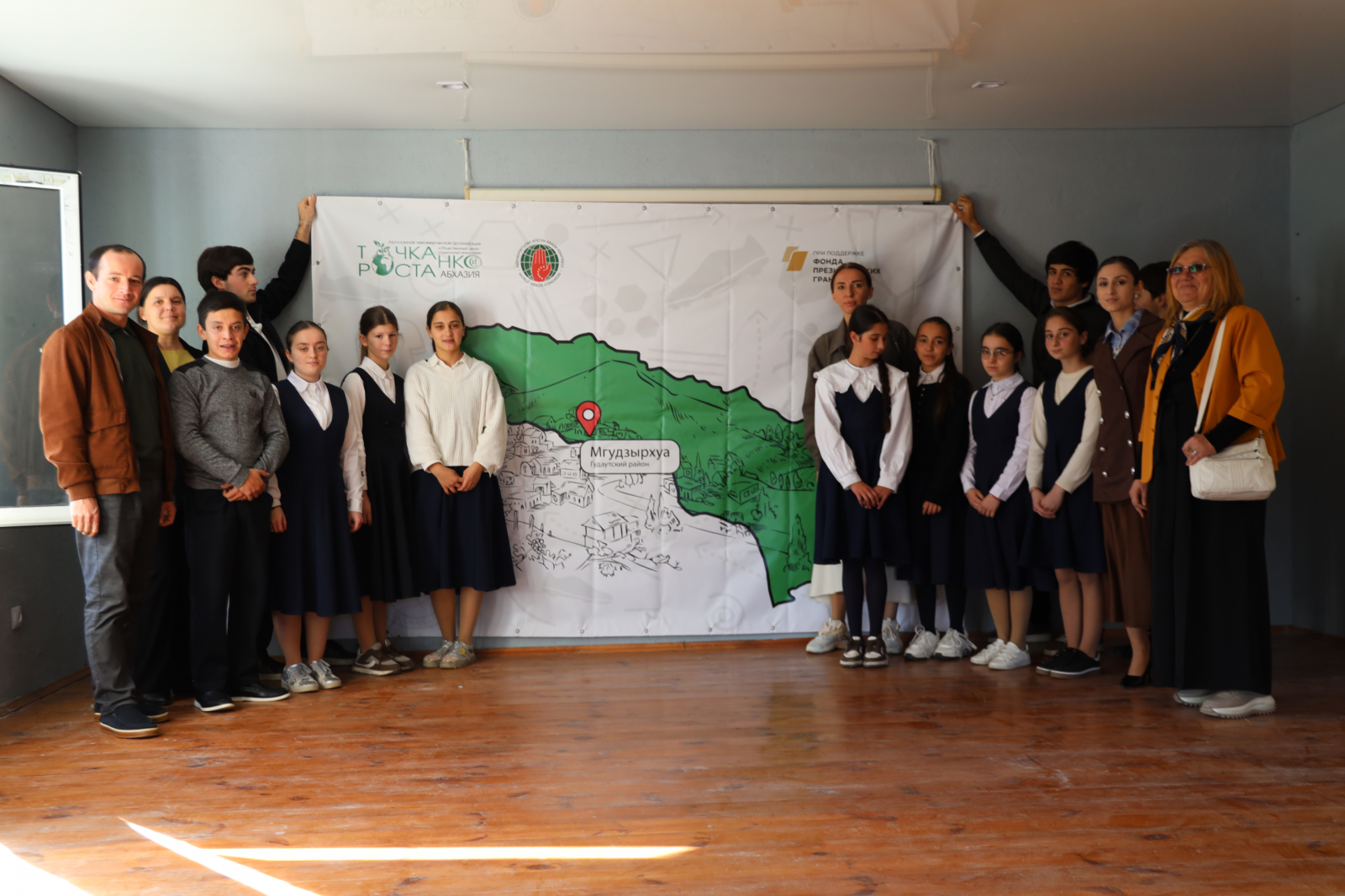
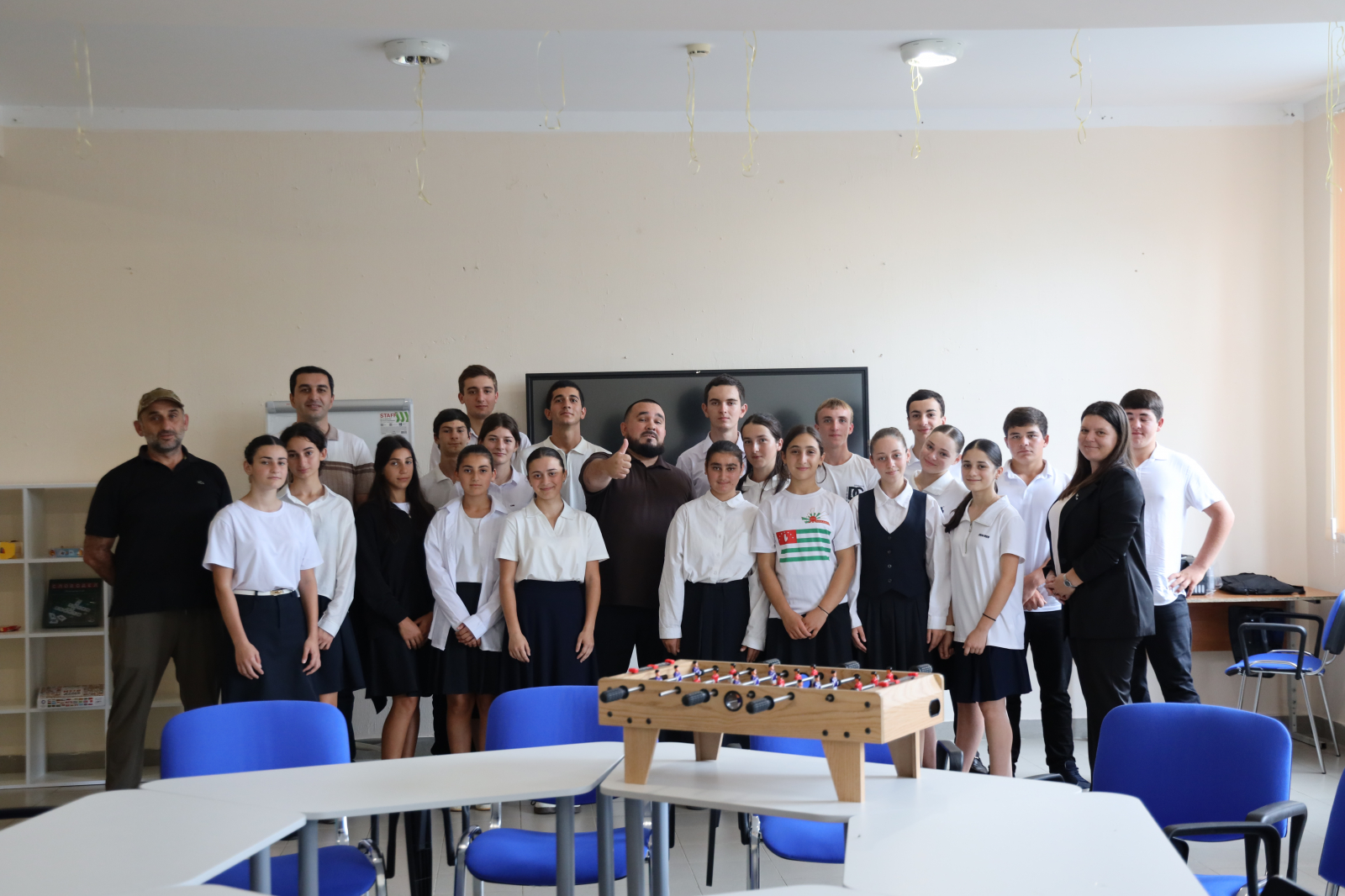
The project, which ran from March to October 2025, encompassed several areas. The key focus was the development of youth initiatives. Modern public spaces were opened in schools in the villages of Shashikuara, Uakum, Pakuash and Mgudzyrkhua.
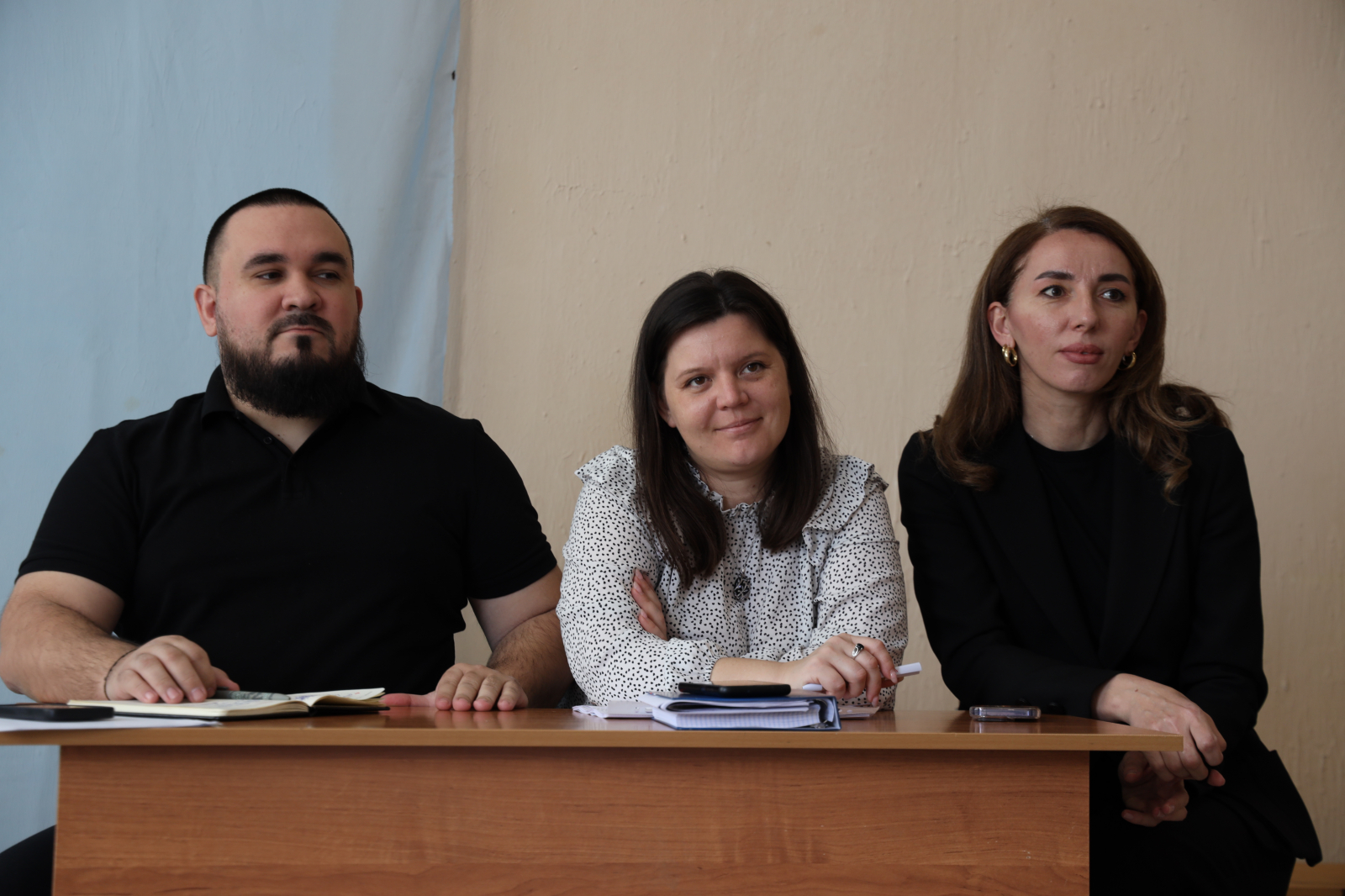
Esma Kvitsiniia, a specialist at the WAC Department for Youth and Sports Development, shared her impressions of the interaction between schoolchildren and moderators.
"The World Abaza Congress has been conducting training sessions on social project management for the second year. During this period, we have visited eight schools. In 2025, the project was expanded thanks to a partnership with the ANO Public Center for Social Initiatives. Based on the training sessions on the fundamentals of project management, an initiative was developed to create several public spaces, a kind of leisure center, where schoolchildren could spend their free time outside of school hours," shared Kvitsiniia.
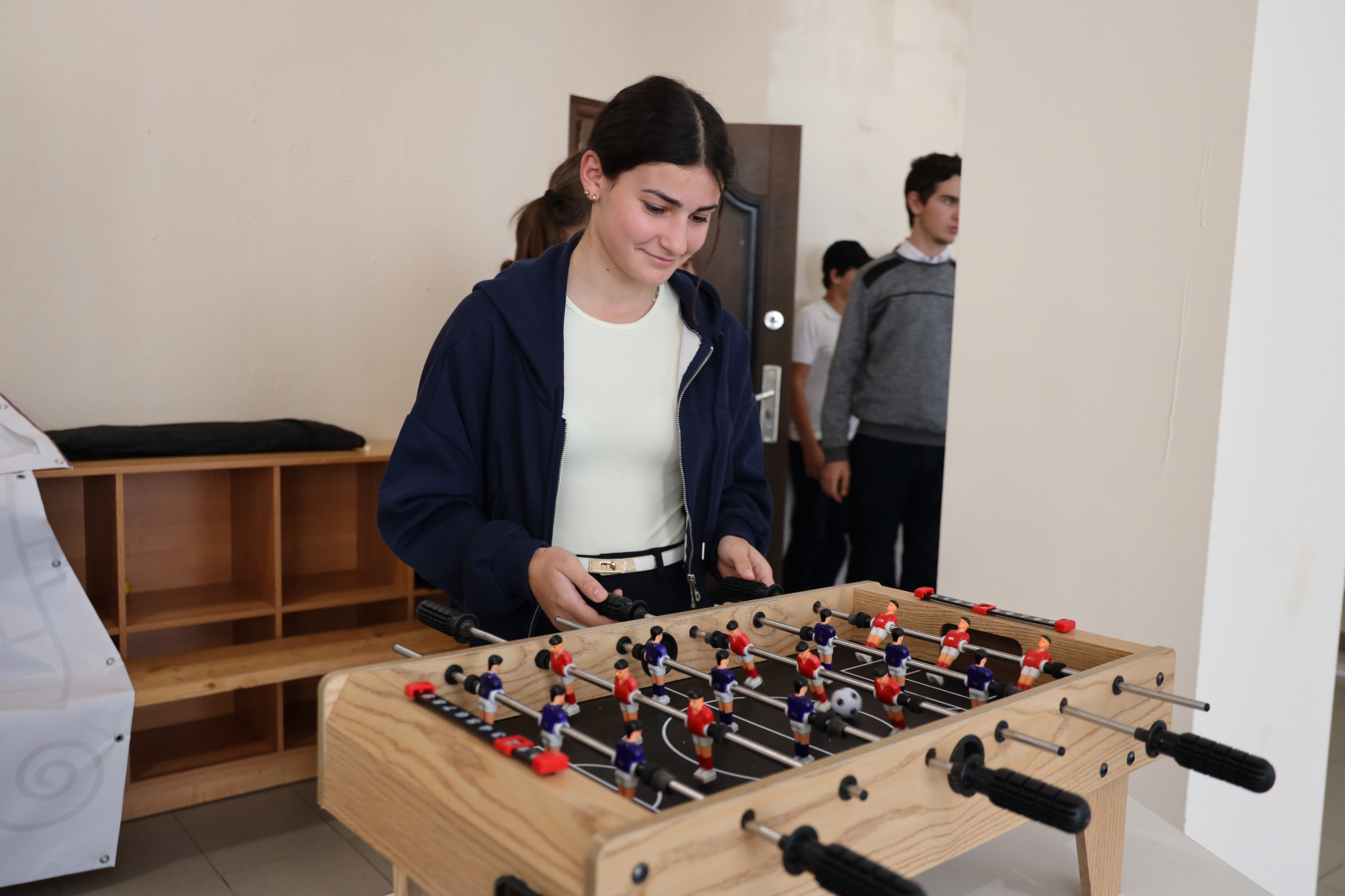
The public spaces are equipped for students, training sessions, and leisure activities. Split-system air conditioners, tables, chairs, shelving, board games, a projector, a laptop and large ottomans have been purchased. Schoolchildren are already enjoying these new benefits.
Svetlana Moiseyeva, President of the ANO “Public Center for Social Initiatives”, provided a detailed account of the project's progress. According to her, a key feature of the project was a flexible approach to equipping the spaces.
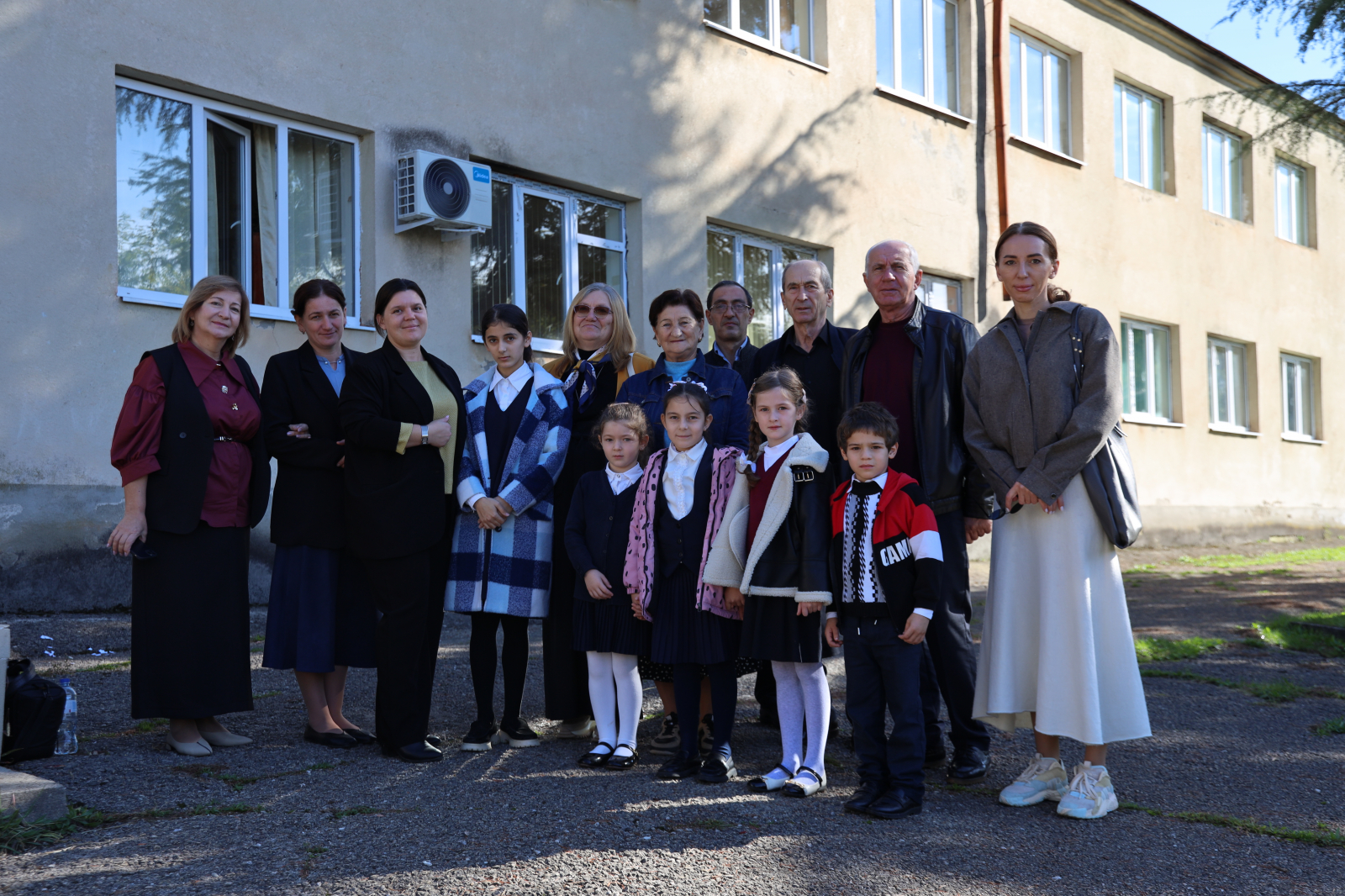
"Initially, we had a standard plan for equipping the facilities. However, after speaking with students and teachers, we realized their needs were somewhat different. We decided to pivot away from the original plan and coordinated changes with the project manager at the Presidential Grants Fund. As a result, the schools received what they truly needed: for example, split-system air conditioners and various educational games that the children had requested," Moiseyeva shared.
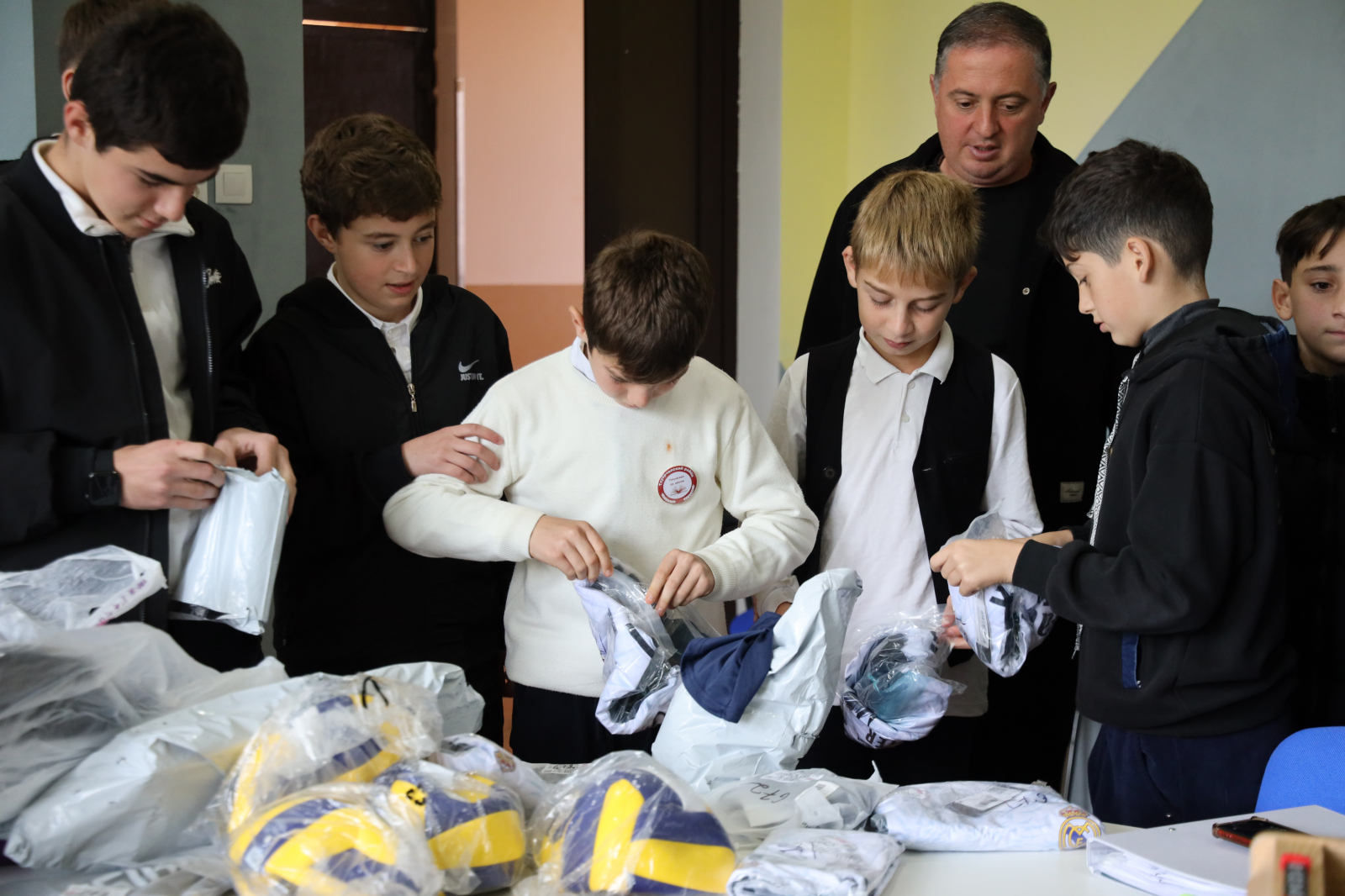
Along with the space improvements, the schools held social design training sessions. The winning teams received support for their initiatives, most of which were aimed at purchasing sports equipment. A number of other equally important initiatives were added to the above-mentioned initiatives. For example, at the request of a project participant from the village of Aatsy, their school library was restocked. The football team from the Duripsh school received custom uniforms with their emblem and the name of the village.
Responsive Activity
Other important events were also organized as part of the partnership. Two meetings were held between non-profit organizations from Abkhazia and the Rostov Region, where parties exchanged experiences in participating in grant competitions. The press center of the Sukhum office of the WAC served as the venue for the events.
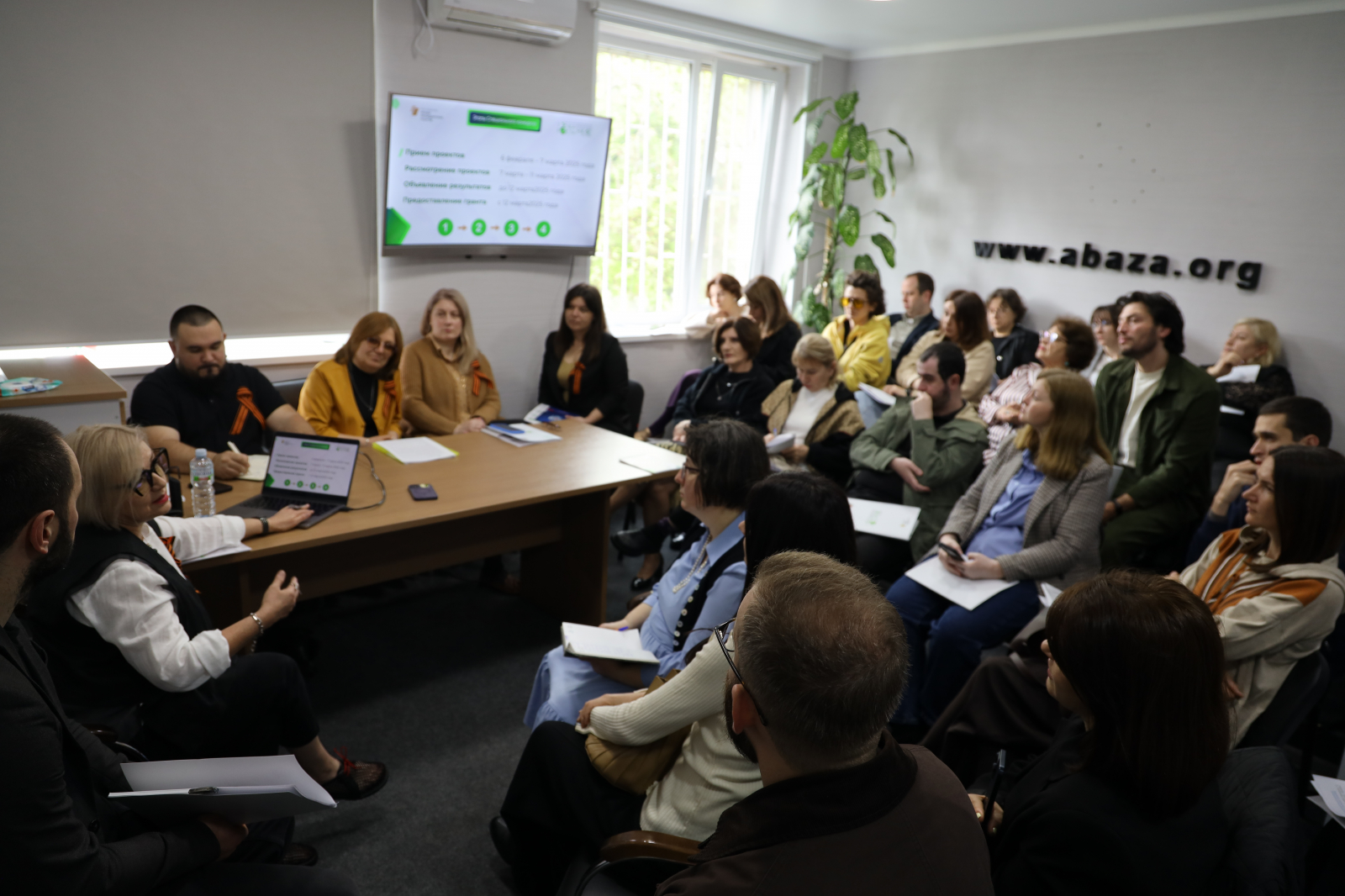
"We were able to introduce several Abkhazian public organizations to specialized NGOs from the Rostov Region. We hope that this communication will develop into long-term and productive cooperation," added Svetlana Moiseyeva, president of the ANO "Public Center for Social Initiatives."
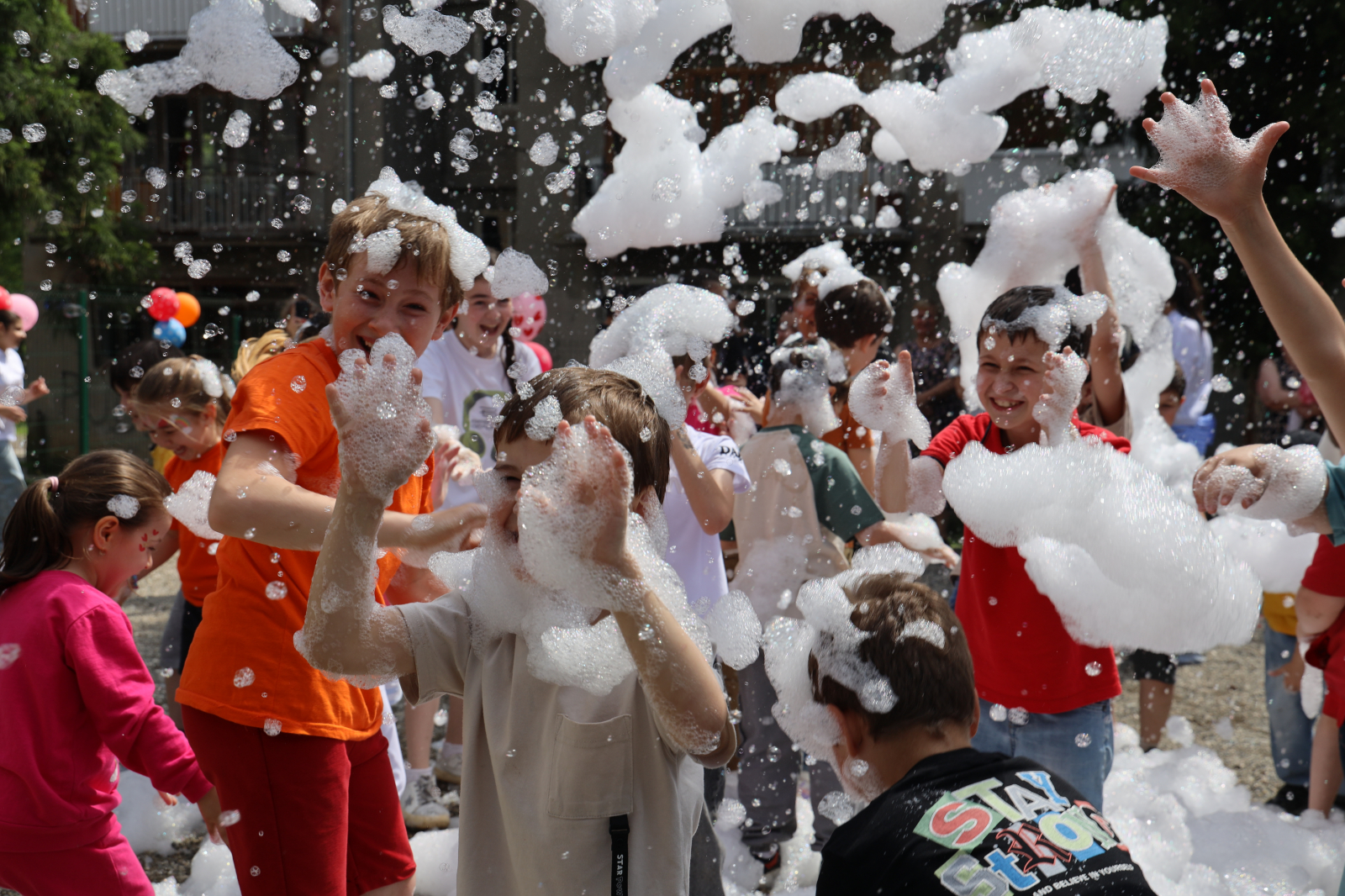
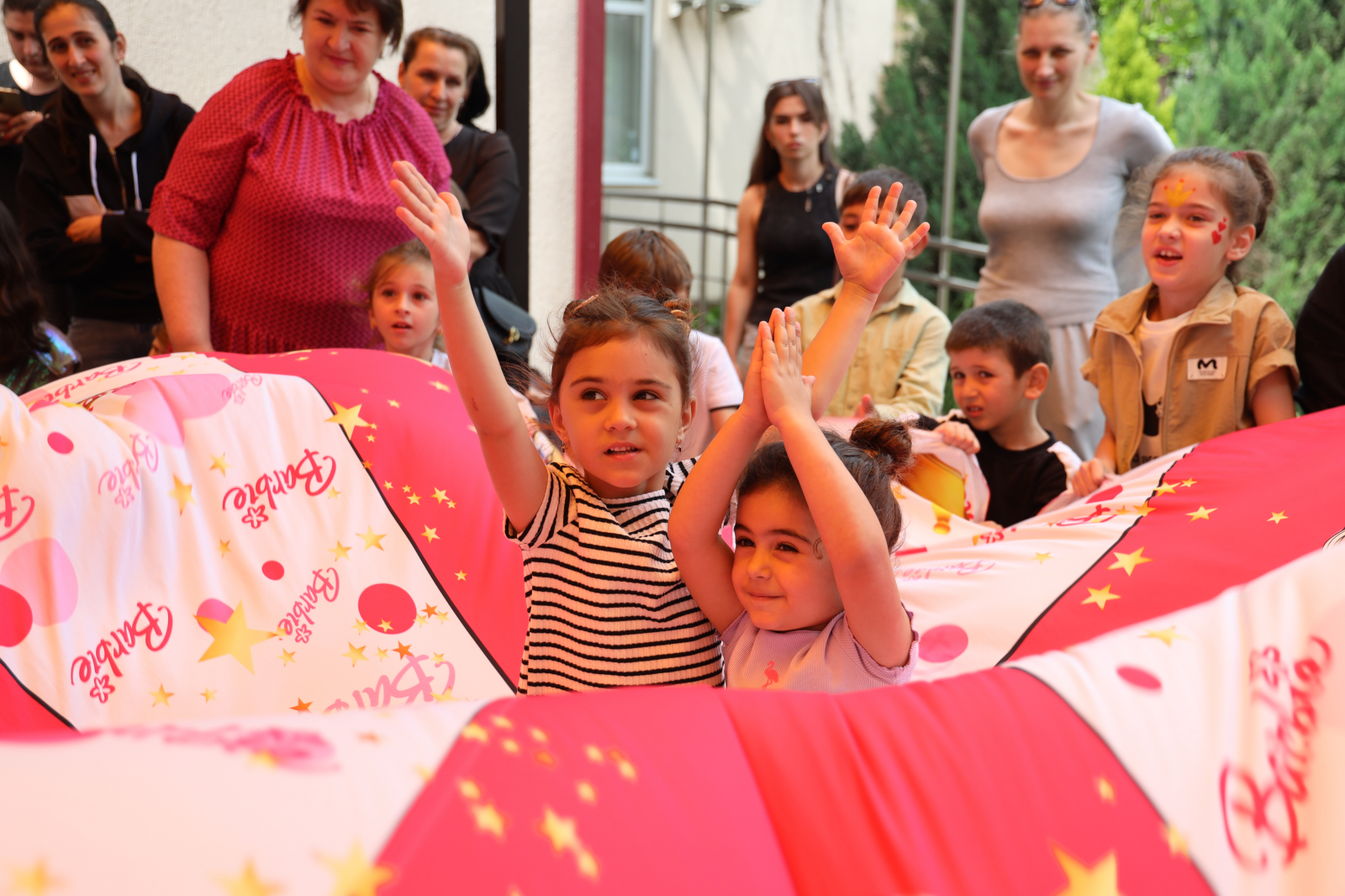
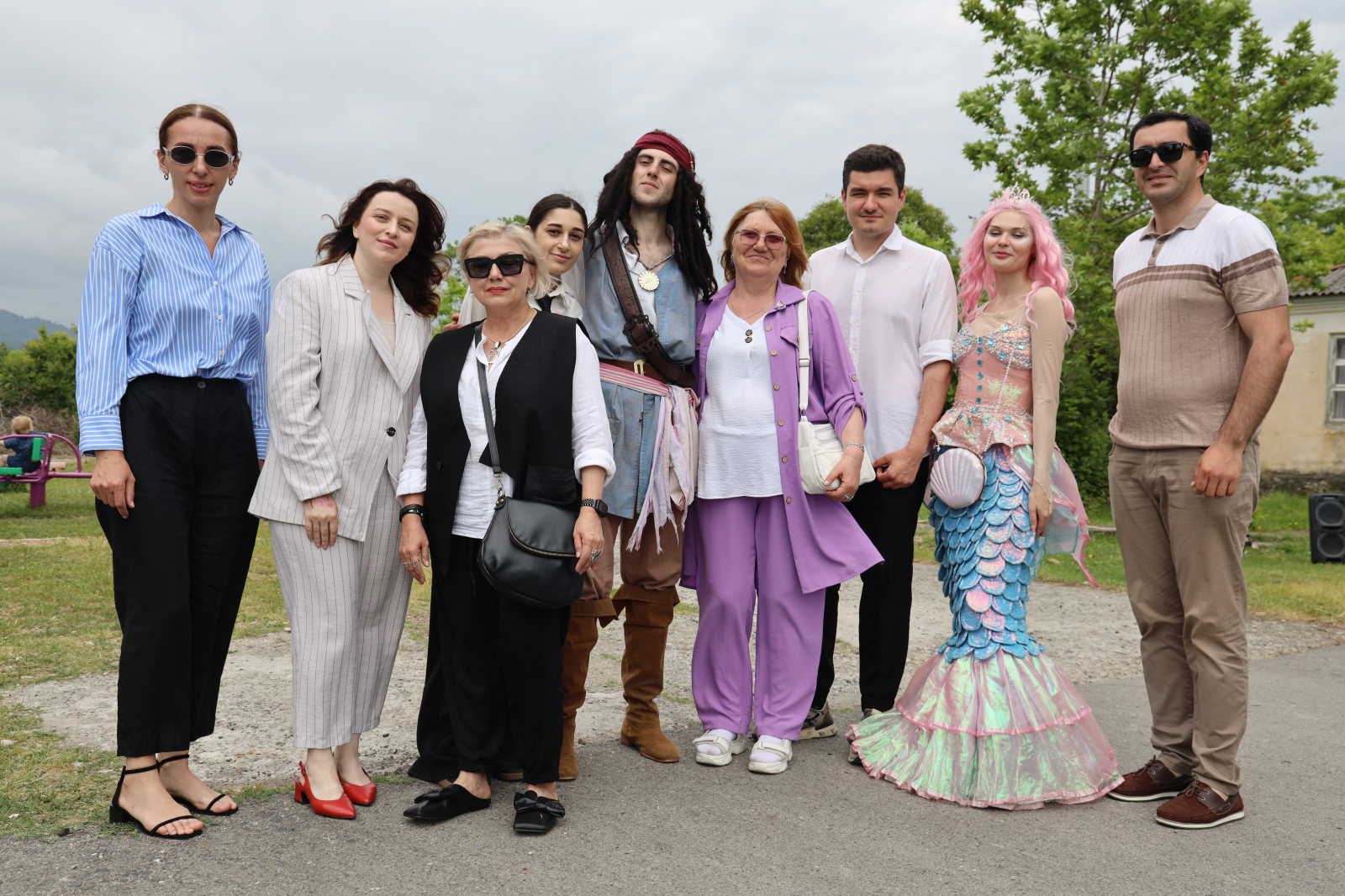
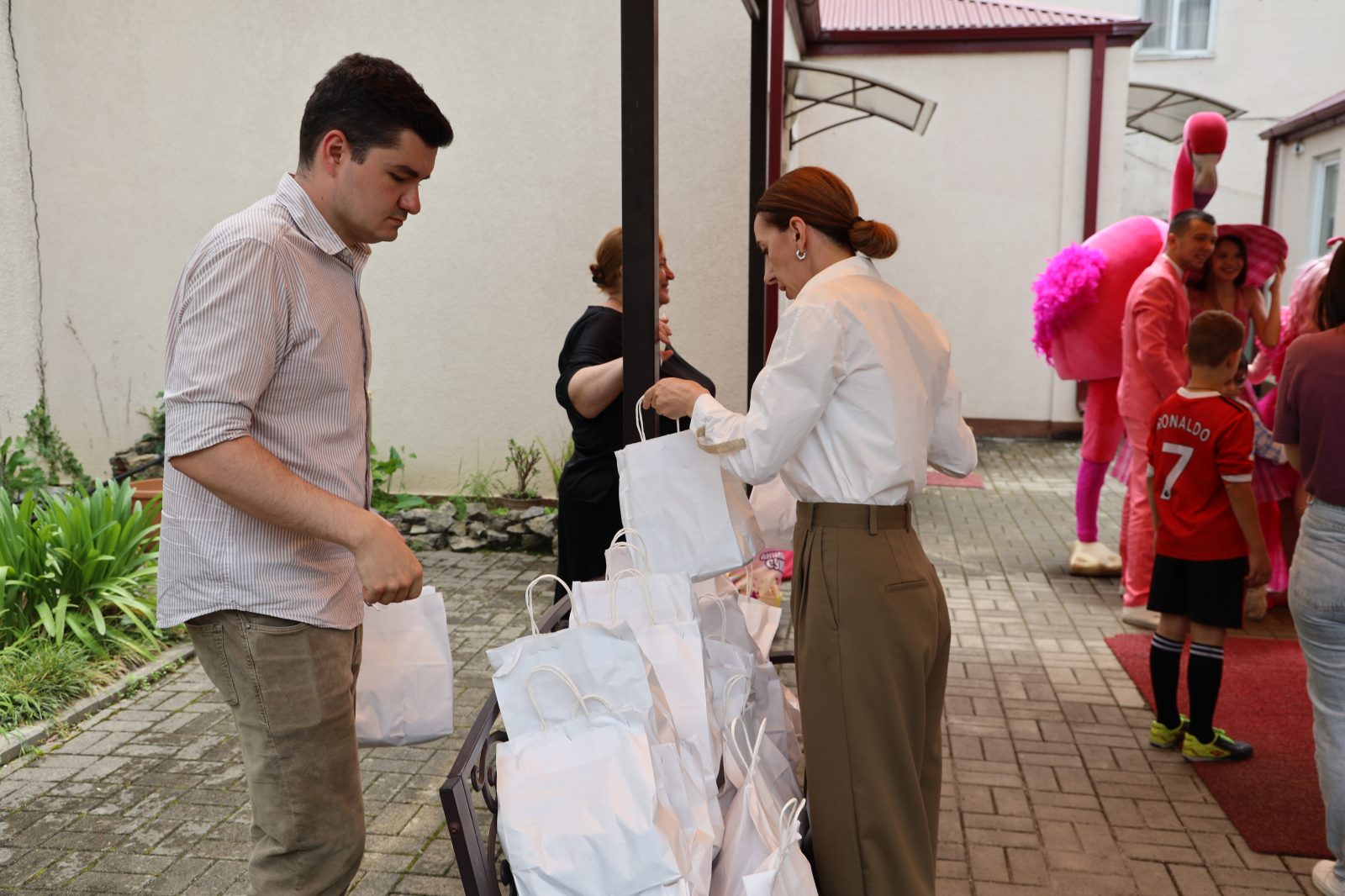
Another area of work was organizing Children's Day celebrations for residents of rehabilitation centers in the village of Tsandripsh and the town of Sukhum. The organizers also visited the town of Tkuarchal.
Musical shows with entertainers were held at these three locations, after which children were presented with sweets.
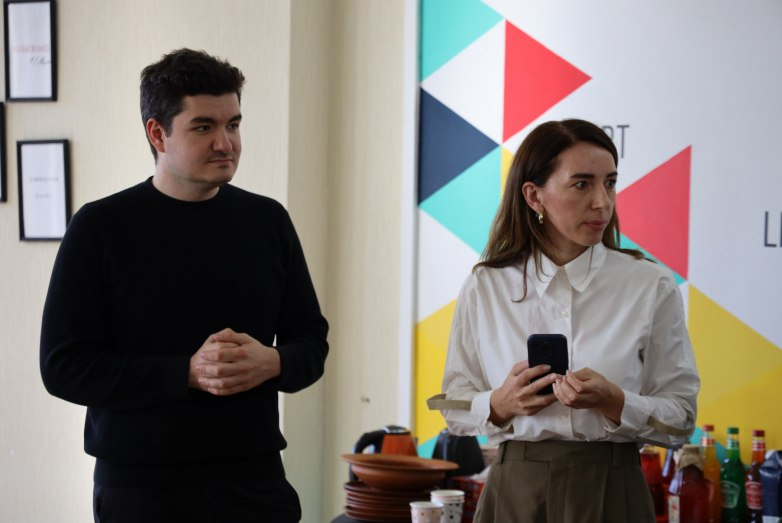
Naur Khishba, a specialist at the WAC OSAZ, thanked the partners for their collaboration.
"Involving students in project activities fosters the development of their thinking, creativity, and gaining of experience in developing and solving social problems. The Congress team and the ANO "Public Center for Social Initiatives" have been working together for a year on the "Growth Point for NCO: Abkhazia" project. This collaboration has allowed us to expand the capabilities of the WAC project. Over this period, we have accomplished many important and good deeds. I would like to thank my colleagues for their openness to our opinions and needs. They didn't come with ready-made solutions; they asked what we needed and did everything possible to ensure we got it," Khishba said.
Meeting at the Public Chamber of the Republic of Abkhazia: Results of Joint Activities
At the conclusion of the joint project, representatives of the organizations completed a two-day monitoring visit to schools. The results of the final visit were symbolically presented at the Public Chamber of the Republic of Abkhazia, the venue where the collaboration began.
Moiseyeva expressed her profound gratitude to her colleagues for the warm welcome and the organization of their joint activities at the project's launch. She emphasized that their shared success in the competition was made possible by their well-coordinated partnership.
"We started together—and we won! 63 organizations participated in the competition, and only eight of them, including us, received funding. I'm confident that our victory was largely due to our reliable partner—the committee pays great attention to this," she noted.
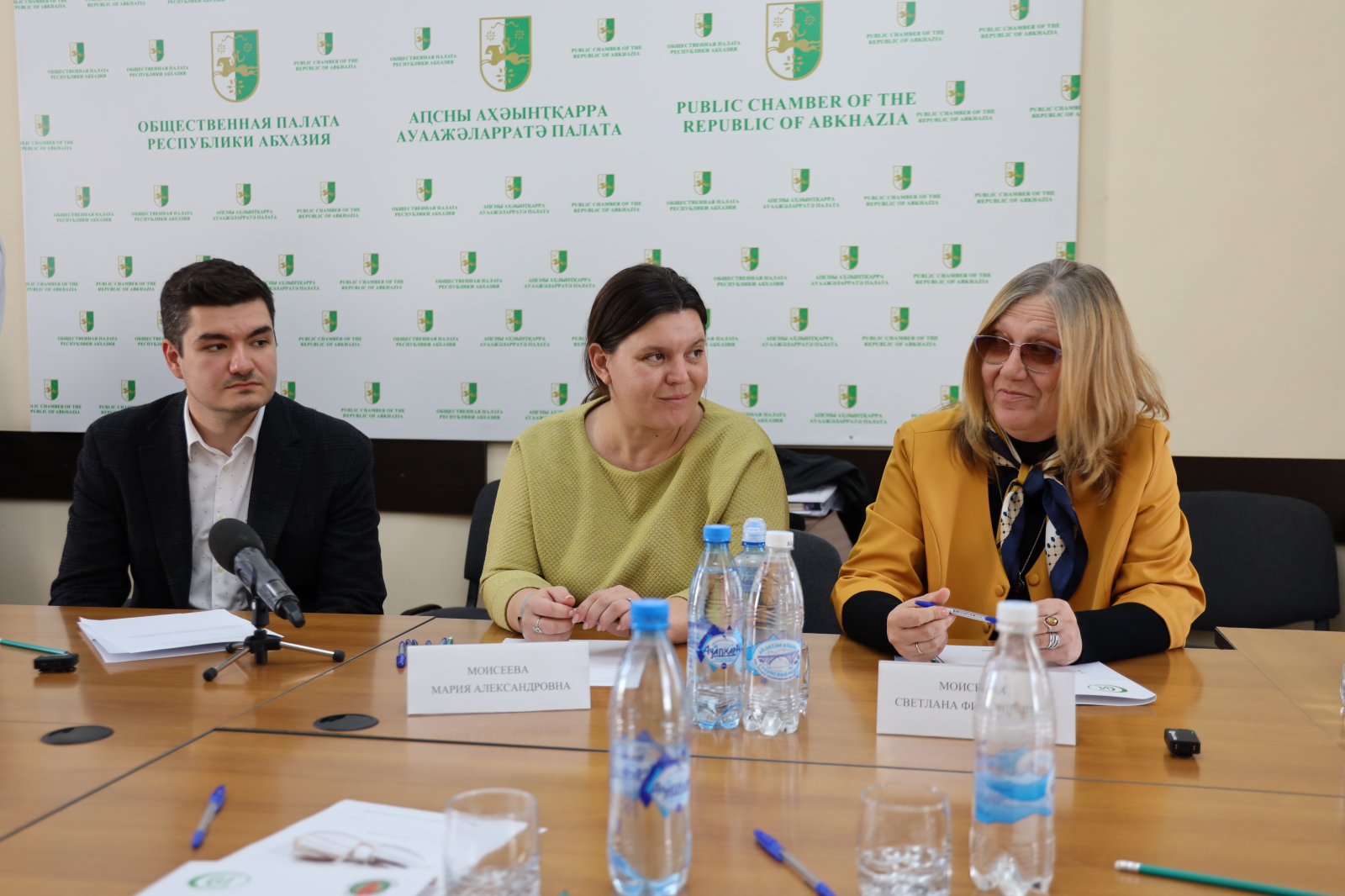
At the end of the meeting, the partners expressed sincere gratitude to each other. It was noted that the achieved results were made possible by coordinated work, shared values, and effective collaboration. The parties unanimously expressed hope that this cooperation will be long-term and open up new prospects for joint socially significant projects.
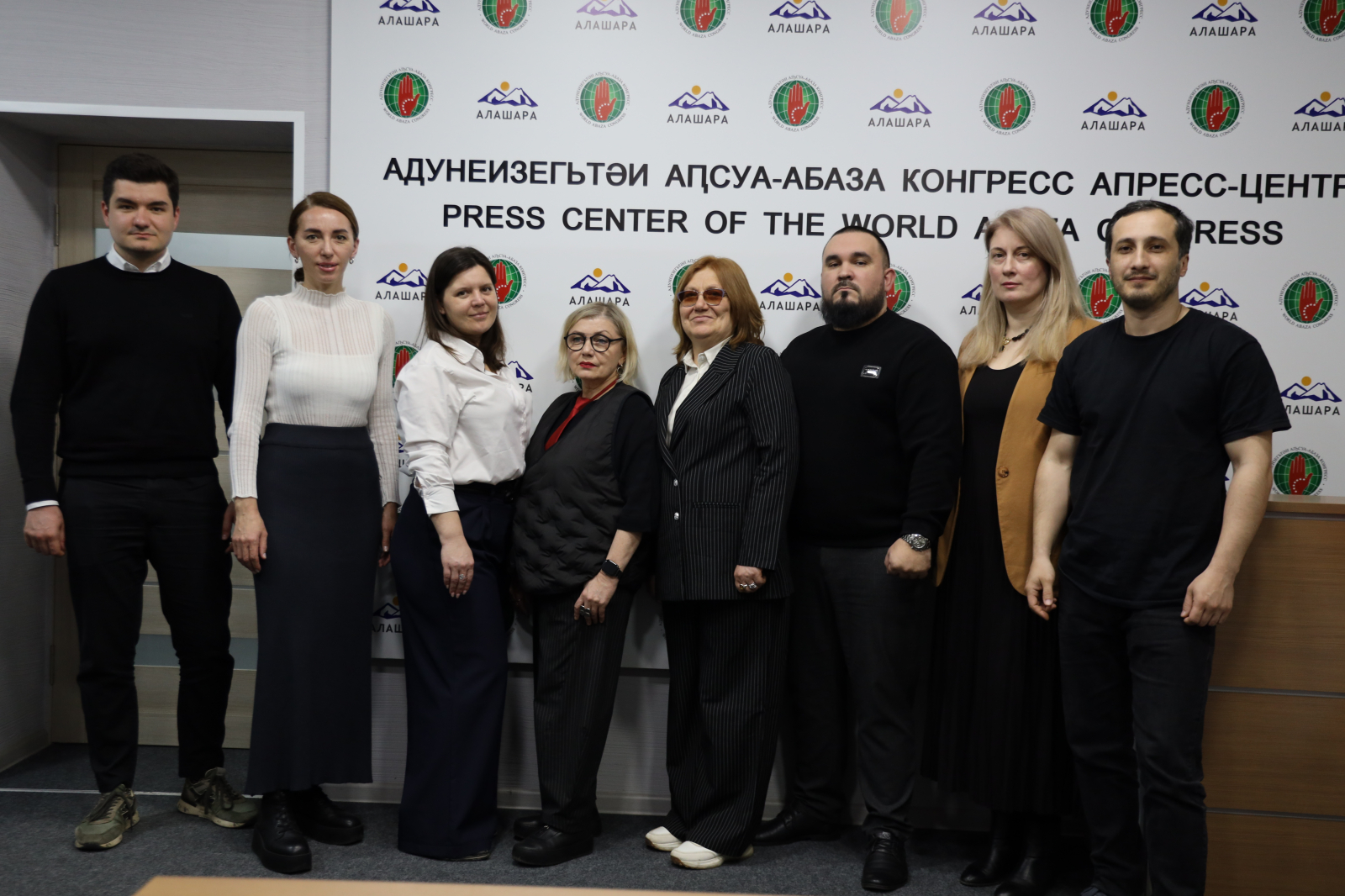
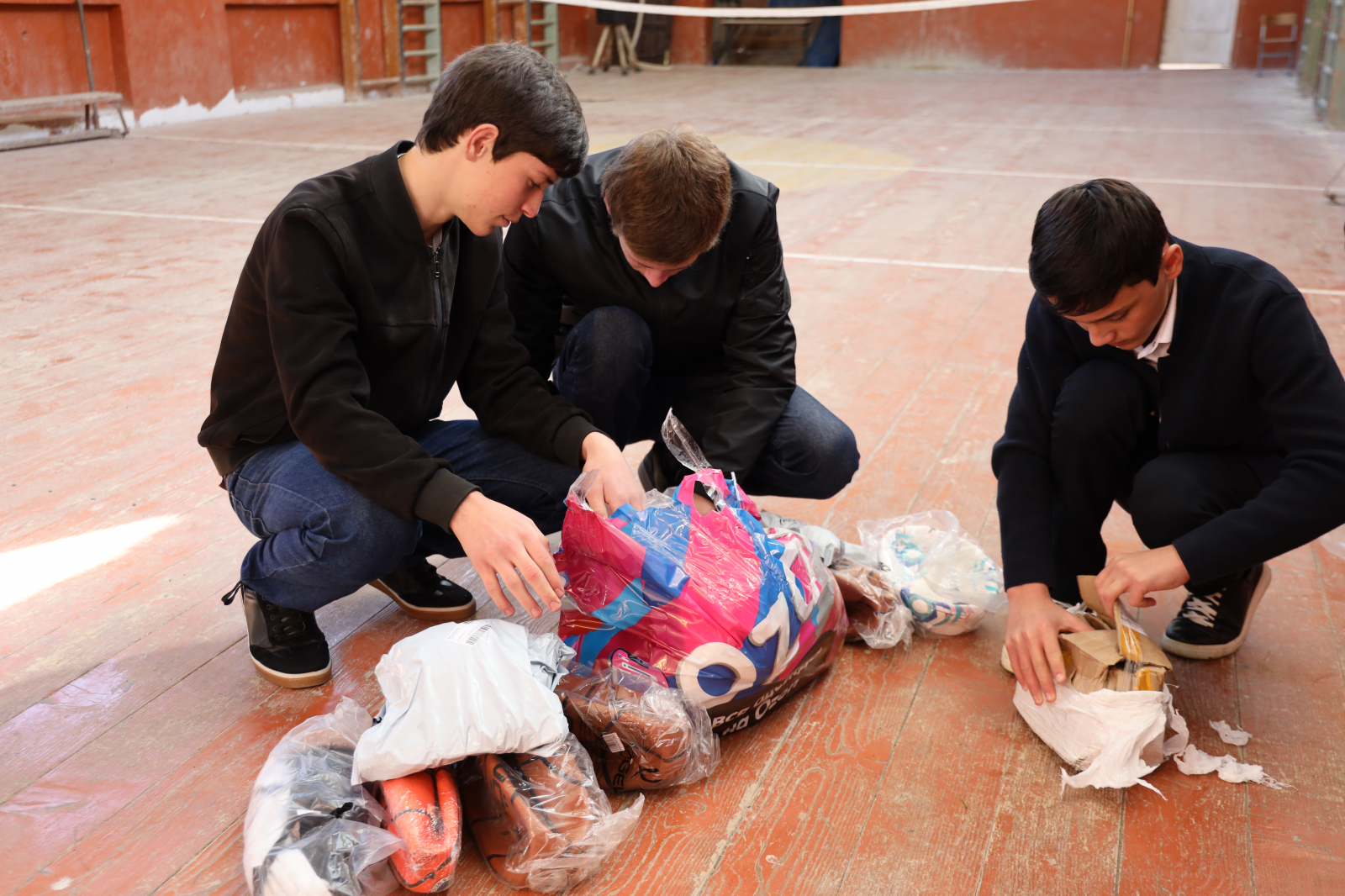
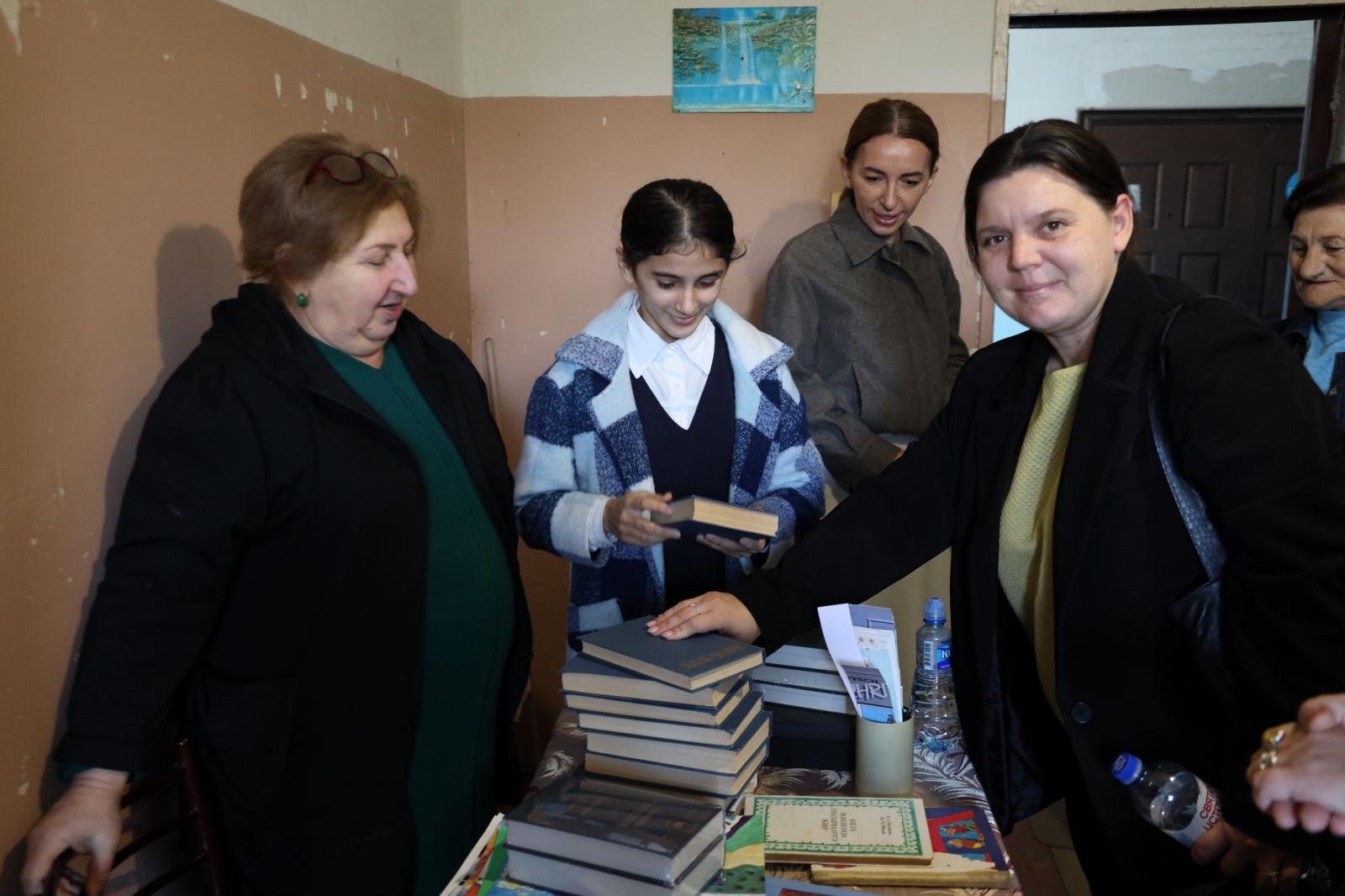
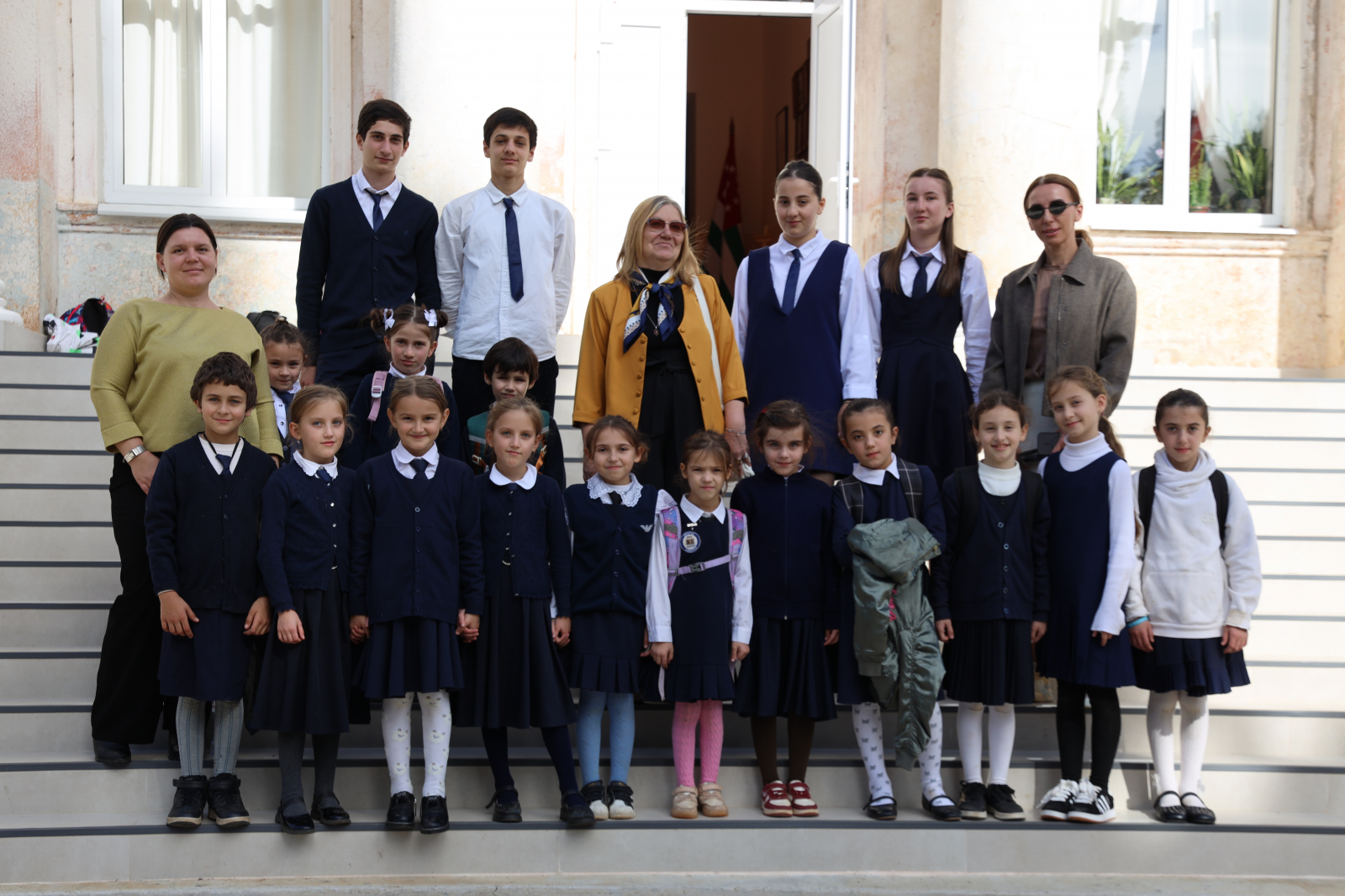
Training on the fundamentals of social design is one of the key projects of the WAC. In 2024, the project was implemented in partnership with the State Committee for Youth Affairs and Sports. Since the beginning of 2025, the Congress team has expanded the geography and format of cooperation by entering into a partnership agreement with the ANO "Public Center for Social Initiatives" in Kamensk-Shakhtinsky, Rostov Region. As part of this collaboration, representatives of the organizations conducted on-site training sessions on project activities in several villages. The main practical result was the creation and equipping of leisure centers in four rural schools. In addition, support was provided and a number of local youth initiatives were successfully implemented.